
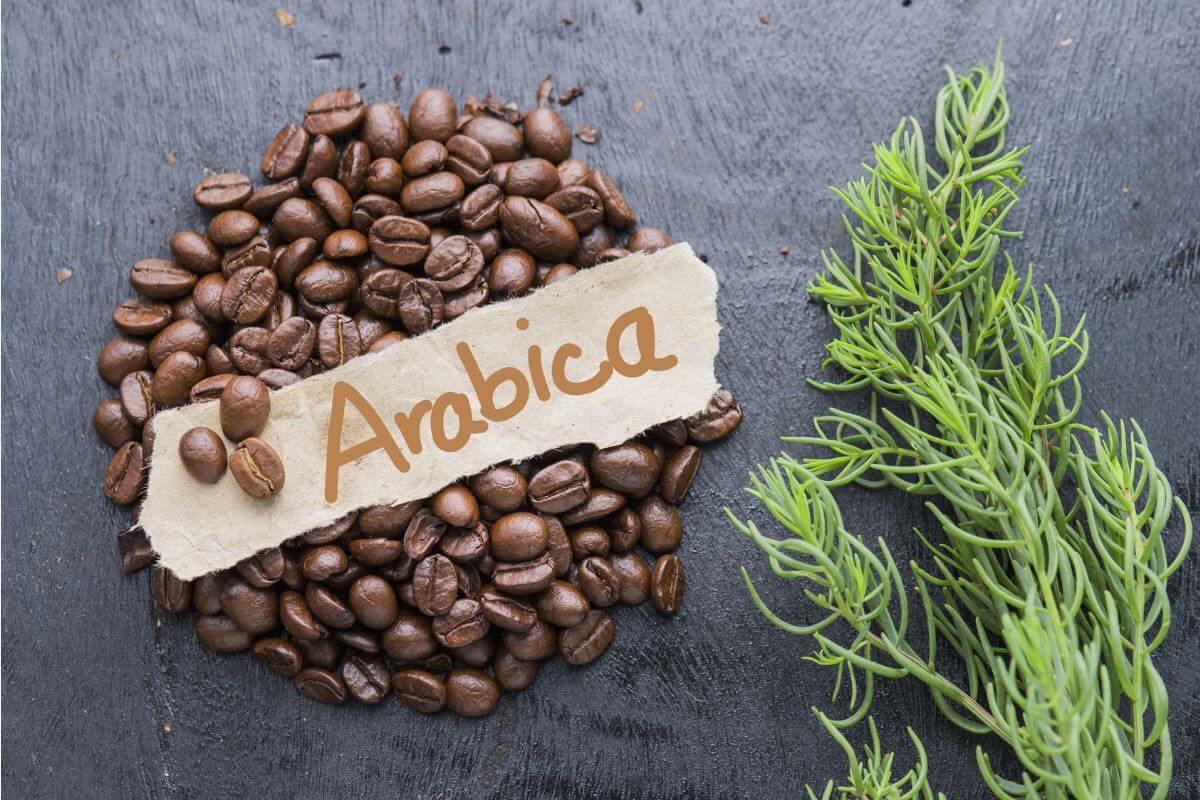
Arabica Coffee Characteristics – What Makes It So Special?
For coffee lovers around the world, Arabica coffee is a true favorite. With centuries of history and a rich, complex flavor profile, this unique variety has earned its reputation as the most popular type of coffee. But what exactly makes Arabica so special? And how does it differ from Robusta? In this article, we’ll explore the origins, growing conditions, flavor notes, and the most common uses of Arabica coffee.
The Origins of Arabica Coffee
Arabica coffee (Coffea arabica) has a fascinating history that traces back to the highlands of Ethiopia and Sudan. According to legend, local shepherds noticed their goats becoming unusually energetic after eating the red berries of the coffee plant. This discovery eventually spread across the Arabian Peninsula.
The Arab world played a key role in popularizing coffee. Yemeni monks are said to be the first to roast Arabica beans, creating the aromatic, stimulating drink we know today. That’s why the name “Arabica” refers to the Arab origins of coffee culture.
In the early days, coffee was considered so valuable that Arabs tried to prevent it from being cultivated elsewhere. They boiled beans before exporting them so they couldn’t sprout. But by the 17th century, Dutch traders managed to smuggle out fertile beans, which led to the first coffee plantations in Java, followed by the Caribbean, South America, and Africa.
Arabica Coffee Plant and Bean Characteristics
When comparing coffee types, Arabica coffee characteristics stand out in both appearance and biology.
Biological Features
- Chromosomes: 44 (Robusta has only 22)
- Root system: deep and wide-spreading, requires more water and nutrients
- Resistance: more sensitive to pests and diseases than Robusta
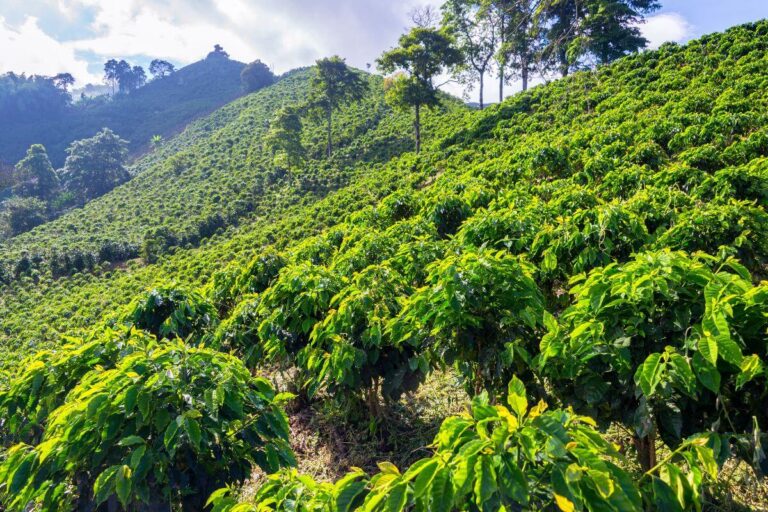
Ideal Growing Conditions
- Altitude: 3,300–6,600 feet (1,000–2,000 meters)
- Temperature: 59–77 °F (15–25 °C)
- Rainfall: 55–85 inches (1,400–2,200 mm) per year
- Soil: loose, fertile, well-drained, rich in organic matter
Arabica thrives in equatorial, high-altitude regions such as Brazil, Colombia, Ethiopia, Guatemala, and Kenya. It cannot tolerate sudden temperature changes or harsh sunlight.
How Arabica Beans Look

Compared to Robusta, Arabica beans are easy to recognize:
- Shape: oval and slightly elongated
- Size: usually larger
- Center crease: curved “S” shape
- Raw color: greenish-gray
- Roasted color: ranges from medium brown to dark brown depending on roast level
Each cherry-like fruit of the coffee plant usually holds two beans, facing each other.
The Flavor of Arabica Coffee
One of the defining Arabica coffee characteristics is its flavor. Arabica offers a smoother, sweeter taste with fruity or floral notes and a chocolatey or nutty finish. Robusta, on the other hand, is much stronger, more bitter, and often has earthy flavors.
Chemical Composition
- Oil content: 15–17%
- Sugar content: 6–9%
- Caffeine content: 0.8–1.4% (lower than Robusta’s 1.7–3.5%)
The higher sugar and oil levels in Arabica beans create richer aromas during roasting, giving the coffee its signature complexity.
Arabica vs. Robusta – Key Differences
| Feature | Arabica | Robusta |
|---|---|---|
| Shape | Oval, flatter | Rounder, plumper |
| Center crease | Curved “S” | Straight |
| Size | Larger | Smaller |
| Raw color | Light greenish | Yellowish-brown |
| Caffeine | 0.8–1.4% | 1.7–3.5% |
| Flavor | Smooth, fruity, aromatic | Strong, bitter, earthy |
| Usage | Premium and specialty coffee | Cheaper blends, instant coffee |
Arabica beans are more delicate but deliver a superior coffee experience, which is why they dominate the specialty market.
Popular Coffee Drinks Made with Arabica
Arabica’s versatility makes it ideal for many brewing methods:
- Espresso – often made with 100% Arabica or blended with Robusta
- Americano – a lighter version of espresso
- Filter coffee – Arabica shines in longer brews
- Cold brew – highlights the natural sweetness of Arabica
- Green coffee – unroasted beans, popular among health-conscious consumers
In specialty coffee shops, Arabica is the top choice thanks to its ability to showcase unique flavors from different regions.
Price of Arabica Coffee
Because it’s harder to grow and produces lower yields, Arabica is more expensive than Robusta. Prices vary widely depending on origin, brand, and processing method, ranging from affordable options to premium beans that cost hundreds of dollars per pound.
Cheaper supermarket blends often mix Arabica with Robusta, but the more Arabica a coffee contains, the smoother and more aromatic it will taste.
Why Choose Arabica Coffee?
Choosing Arabica means choosing quality. Its benefits include:
- Rich and layered flavors
- Lower caffeine content
- Wide variety of brewing possibilities
- A true premium coffee experience
Final Thoughts
Arabica coffee characteristics set it apart as the world’s most beloved coffee variety. With its mild sweetness, complex aromas, and unique growing conditions, it continues to capture the hearts of coffee drinkers everywhere.
Fun Fact: Special Arabica Varieties
- Typica: one of the oldest Arabica types
- Bourbon: sweeter and fruitier
- SL28, SL34: Kenyan varieties with intense complexity
- Geisha (or Gesha): one of the rarest and most expensive coffees in the world, especially from Panama




One Comment