How to Make Homemade Lavender Syrup for Coffee Drinks
If you’ve ever ordered a lavender latte at a specialty coffee shop and wondered how to recreate that floral, subtly sweet flavor in your own kitchen, you’re in the right place. Lavender syrup is one of the simplest and most rewarding things you can make at home — and once you have a bottle in your fridge, you’ll find yourself adding it to everything from your morning coffee to your afternoon lemonade.
This guide walks you through the full process of making lavender syrup at home, with a reliable recipe, step-by-step instructions, and plenty of ideas for how to use it. Whether you’re a seasoned home barista or a complete beginner, this is one recipe worth having in your repertoire.
Why Make Your Own Lavender Syrup?
Store-bought lavender syrups are widely available, but they often contain artificial flavorings, preservatives, and a level of sweetness that’s hard to adjust. When you make lavender syrup at home, you control every variable — the intensity of the floral flavor, the sweetness level, and the quality of the ingredients.
Beyond quality, homemade lavender syrup is also significantly more economical. A single batch yields about 400 ml (roughly 13.5 oz) of finished syrup from just a handful of common ingredients. That’s enough to flavor dozens of drinks for a fraction of the cost of a specialty bottle.
And then there’s the sensory experience of making it. Your kitchen will smell extraordinary.
Lavender Syrup Ingredients
- 50 g (about 1.76 oz) dried lavender flowers
- 500 ml (17 fl oz) water
- 500 g (17.6 oz) granulated white sugar
- 1 tsp fresh lemon juice
Ingredient note: Use culinary-grade or food-safe lavender — not ornamental lavender from a garden center, which may have been treated with pesticides. Dried lavender buds are widely available at health food stores and online.
How to Make Lavender Syrup — Step by Step
1. Combine the lavender, water, and sugar in a medium saucepan. Set over medium heat and stir continuously until the sugar has completely dissolved.
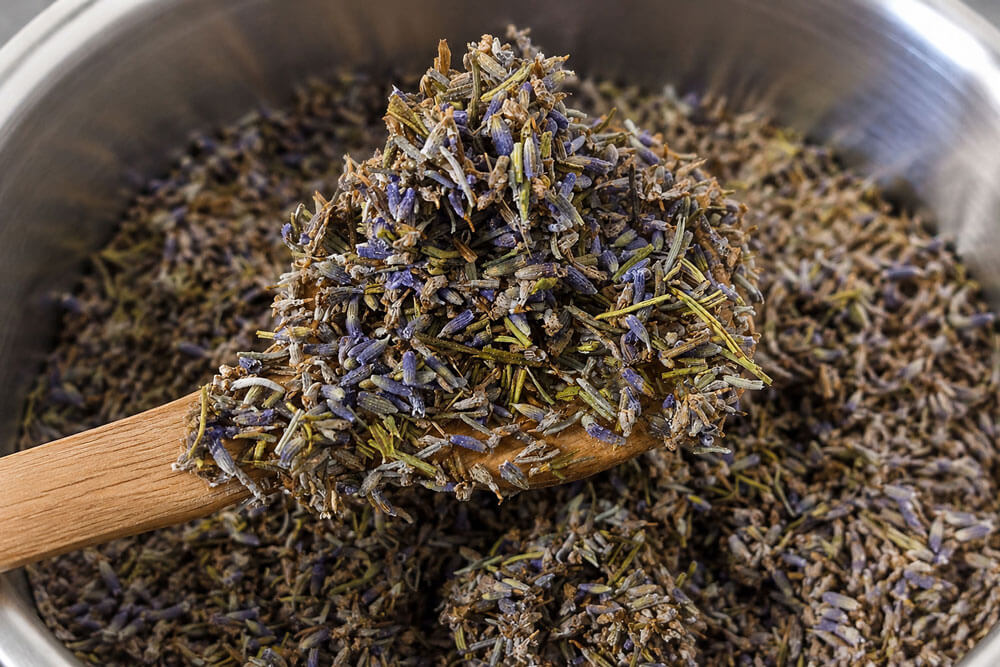
2. Bring the mixture to a full boil, then continue boiling for 5–6 minutes, stirring occasionally. This helps thicken the syrup and ensures the sugar is fully incorporated.

3. Remove the pan from the heat and let the lavender steep in the syrup. A minimum of 1–2 hours is enough for a mild floral flavor; for a deeper, more pronounced lavender taste, steep for up to 6–8 hours. The longer it steeps, the more intense the result.
4. Strain the syrup through a fine-mesh sieve or cheesecloth into a clean saucepan, discarding the lavender flowers. Return the strained syrup to the stove over medium heat.

5. Bring the syrup back to a boil, stirring continuously, and boil again for 5–6 minutes. This second cook reduces the syrup slightly and concentrates the flavor.
6. Remove from heat and let the syrup cool for about 30 minutes, until it’s no longer hot to the touch.
7. Stir in 1 teaspoon of fresh lemon juice. The acidity brightens the flavor and adds a subtle complexity that rounds out the sweetness. Allow the syrup to cool completely to room temperature before bottling.
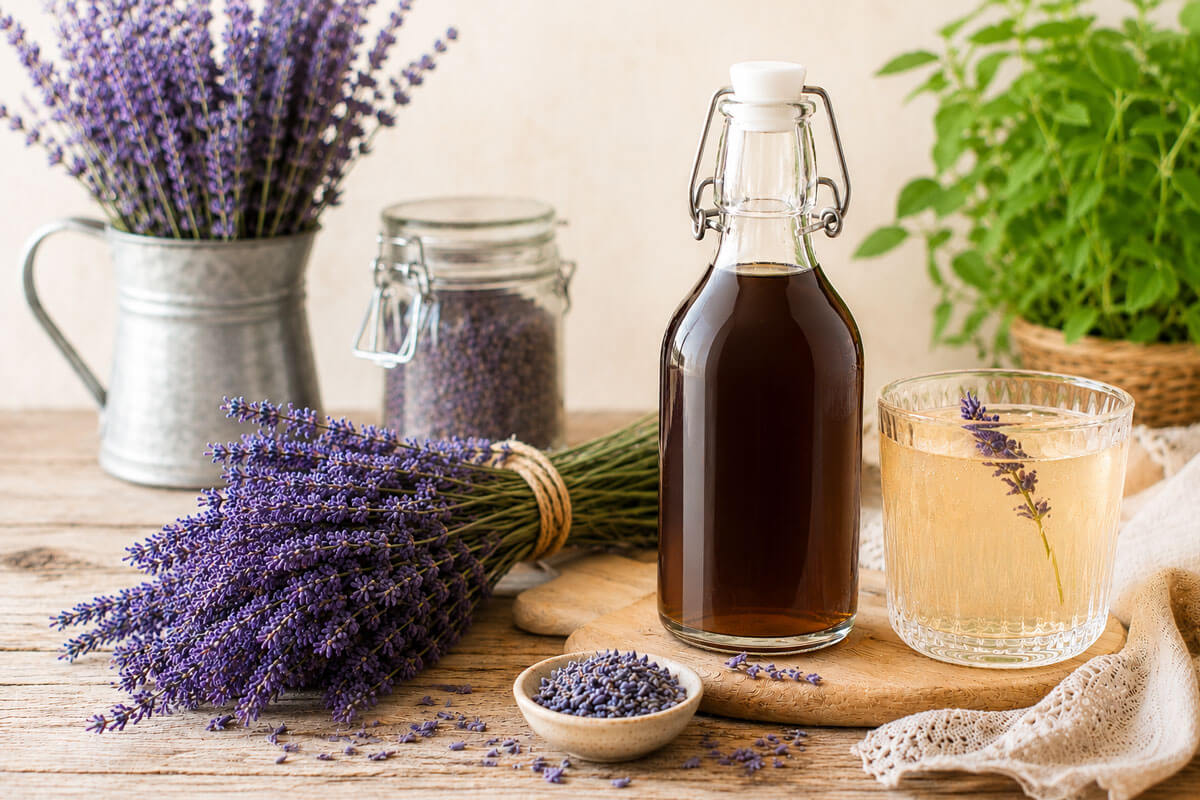
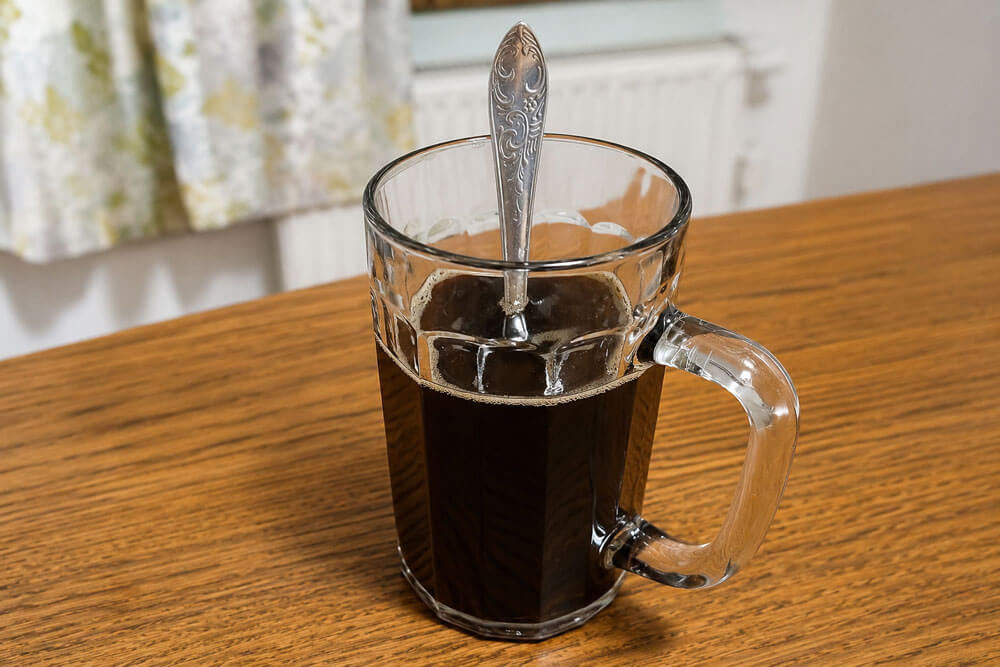
8. Transfer to a clean glass bottle or jar and refrigerate. The syrup will keep in the fridge for 2–3 weeks. Look for a beautiful pale purple hue — that’s how you know it’s the real thing.
Pro tip: The second boil is what makes this recipe stand out. Many homemade syrup recipes skip it, but that extra 5–6 minutes after straining makes a noticeably thicker, more stable syrup that coats a spoon and integrates beautifully into drinks.
How to Use Lavender Syrup
Once you’ve made a batch, the possibilities are genuinely wide open. Here are some of the best ways to put your homemade lavender syrup to work:
Coconut Lavender Latte
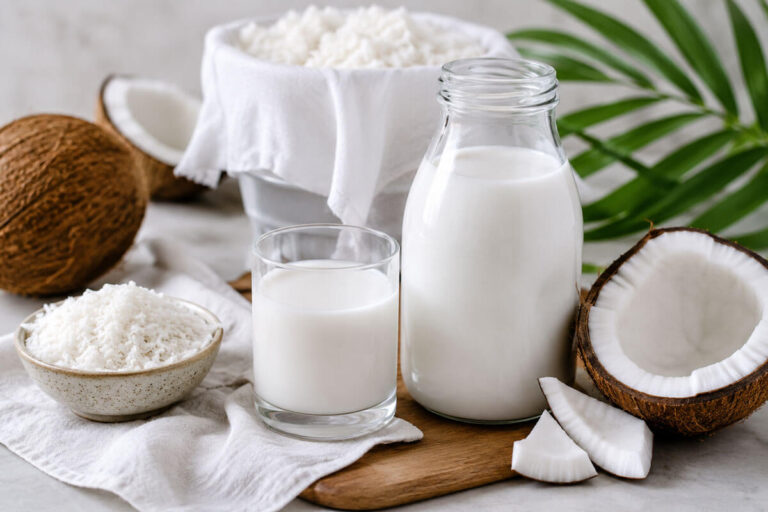
The classic pairing. Add 1–2 pumps to a shot of espresso with coconut milk for a café-worthy drink at home.
Lavender Lemonade
Dilute with still or sparkling water and a squeeze of lemon. Refreshing and beautifully fragrant on a hot day.
Cocktails & Mocktails
Works beautifully in gin and tonic, sparkling water with a mint sprig, or a non-alcoholic spritz.
Hot Tea
Stir a teaspoon into chamomile or Earl Grey for a calming, floral sweetener that replaces plain sugar.
Tips for the Best Results
Choose quality lavender. The flavor of your syrup is entirely determined by the quality of your flowers. Culinary lavender should smell clean, floral, and not at all musty. Fresh dried buds (harvested within the past year) make a noticeably better syrup.
Don’t skip the lemon. The teaspoon of lemon juice added at the end isn’t just an afterthought — it balances the sweetness and helps maintain the syrup’s color over time. Some makers add it while the syrup is still slightly warm; others wait until it’s fully cooled. Either works.
Adjust steeping time to taste. If you prefer a more subtle, background floral note, 1–2 hours of steeping is plenty. If you want lavender front and center, let it go the full 6–8 hours. Taste as you go if you’re unsure.
Store it right. Always keep your homemade lavender syrup refrigerated in a clean, sealed glass container. Avoid plastic, which can absorb flavors over time. A standard mason jar or a swing-top glass bottle works perfectly.
Final Thoughts
Making lavender syrup at home is one of those small culinary projects that delivers an outsized reward. The process is simple, the ingredients are minimal, and the result — a fragrant, versatile syrup that elevates everything it touches — is genuinely special.
Once you’ve tasted a coconut lavender latte made with your own homemade syrup, the store-bought version will have a hard time competing. Give this recipe a try, and don’t be surprised if a single batch disappears faster than you expected.