
Jacu Bird Coffee: The Secrets of an Exotic Delicacy
Coffee lovers around the world are always on the hunt for something new — those rare, exotic, and distinctive coffees that stand out not only for their flavor but also for their story. Jacu bird coffee is exactly that. It differs from traditional coffee not just in how it’s grown and processed, but also in the fascinating natural process behind it. The jacu bird, a species native to Brazil, plays a key role in creating this unique coffee — much like how the Asian civet is involved in producing kopi luwak.
What is the jacu bird?
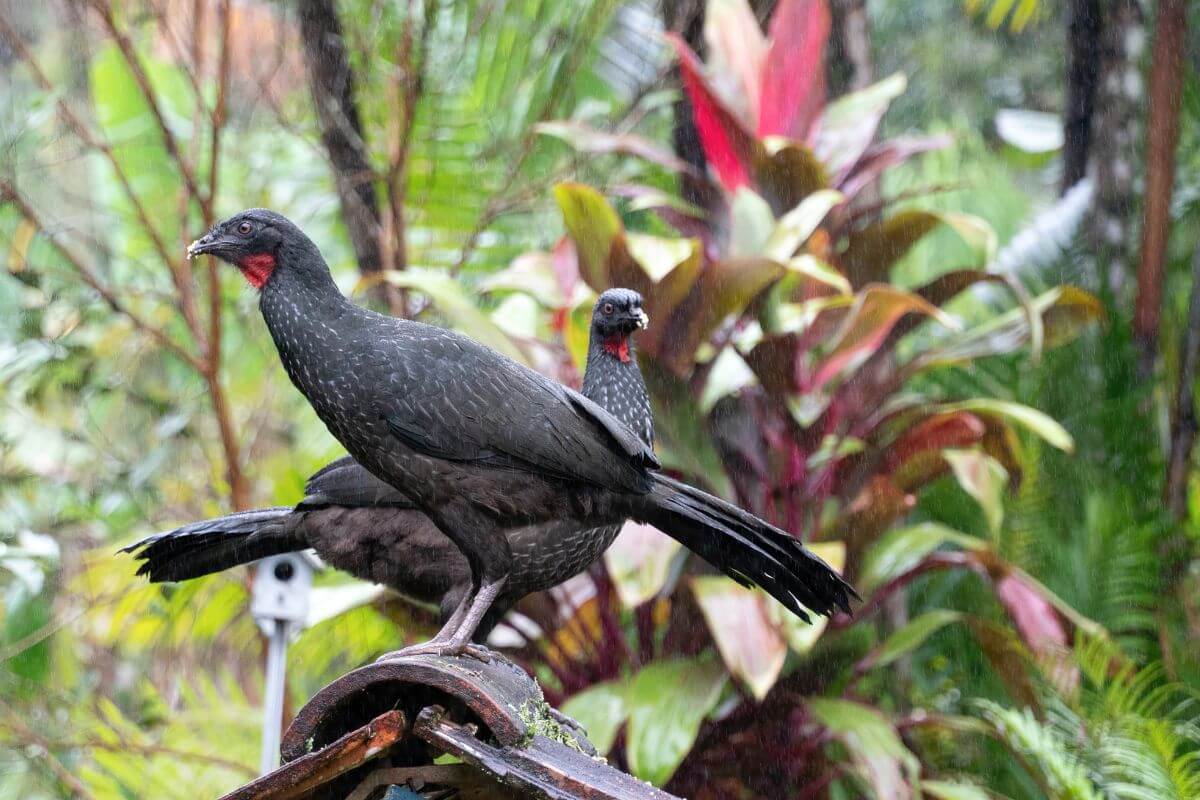
The jacu bird (Penelope) is a herbivorous, chicken-like bird native to South America, primarily found in the rainforests of Brazil. It looks somewhat like a pheasant, though more graceful and quiet in nature. This bird is extremely selective — it eats only the ripest, most flavorful coffee cherries and thrives exclusively in natural, chemical-free environments.
This selective diet is what forms the foundation of jacu bird coffee’s quality. By choosing only the best coffee cherries, the bird essentially acts as a natural “quality inspector.”
How is jacu bird coffee made?
The production of jacu bird coffee is based on natural processes. Here’s how it works:
- The bird eats the coffee cherries: The jacu bird consumes ripe coffee cherries. Inside its digestive system, the fleshy fruit is broken down, but the bean itself remains intact.
- Digestion process: As the beans pass through the bird’s digestive tract, they undergo mild fermentation. Special enzymes affect the beans, altering their flavor profile.
- Collection: The coffee beans are recovered from the bird’s droppings and carefully collected by workers on the plantation.
- Cleaning and drying: The raw beans are thoroughly washed multiple times, then sun-dried. Gentle drying is crucial for preserving quality.
- Roasting: The dried beans are hand-sorted and roasted in small batches—typically light to medium roasts—to maintain the complexity of their flavor notes.
The Flavor Experience – What Makes It Special?
Jacu bird coffee is known for its exceptionally clean, smooth, and well-balanced flavor profile. Thanks to the enzymatic digestion process, bitterness is significantly reduced, allowing fruity, nutty, and subtly earthy notes to shine through. The acidity is nicely balanced, and the finish is long-lasting and pleasant.
Commonly noted flavor characteristics:
- Ripe red fruits
- Cocoa and dark chocolate
- Nuts
- Forest floor, slightly earthy tones
- Caramel and floral hints
Its smooth body and balanced character make it a true delicacy — especially among those who appreciate naturally processed coffees.
The Discovery of Jacu Bird Coffee
When coffee plantation owner Henrique Sloper first noticed wild jacu birds feasting on the coffee cherries growing on his land, he threw his hands up in frustration. He was convinced that the organic farming practices used across his 300-hectare estate had attracted the birds, who were happily indulging in the chemical-free bounty.
Sloper had previously traveled to Indonesia, where he became familiar with kopi luwak. That’s when it occurred to him that there might be something special about what the jacu birds left behind as well.
If life gives you bird droppings, it’s rare to turn them into something extraordinary — but Sloper managed to do just that. In 2006, he produced the first batch of jacu bird coffee, made from beans that were handpicked from the birds’ droppings, then carefully washed and roasted.
Jacu bird coffee is primarily produced in Espírito Santo, at the Camocim Organic Farm. This fully organic farm grows coffee without the use of chemicals. It sits on the edge of the Mata Atlântica, where jacu birds live freely.
The farm is committed to sustainability, biodiversity, and ethical agriculture. This philosophy ensures that jacu bird coffee is not only unique, but also an environmentally friendly product.
Why Is It So Expensive?
Jacu bird coffee is one of the most expensive coffees in the world — and for good reason:
- Limited supply: The birds feed on their own natural rhythm and can’t be forced to consume more, so production is strictly limited.
- Hand collection: The beans must be located and gathered by hand based on what the birds leave behind — an extremely time-consuming process.
- Exclusivity: Its rarity places it firmly in the premium category, often considered a luxury item.
- Ethical production: Unlike other “animal-processed” coffees (such as kopi luwak), the birds live freely and are never kept in captivity.
A single kilogram of jacu bird coffee can reach prices of up to $1,000.
How Does It Differ from Kopi Luwak?
The most well-known relative of jacu bird coffee is kopi luwak. Here are the key differences:
| Feature | Jacu Bird Coffee | Kopi Luwak Coffee |
|---|---|---|
| Animal | Jacu bird (Brazil) | Civet (Asia) |
| Habitat | Wild, free in rainforest | Often kept in cages |
| Processing | Natural digestion, hand-collected | Digested, often produced on a larger scale |
| Sustainability | Organic, ethical farming | Often ethically controversial |
| Flavor Profile | Fruity, smooth, slightly earthy | Earthy, full-bodied, slightly bitter |
| Price | Extremely high | Very high |
Because of these differences, many experts consider jacu bird coffee a more ethical alternative that still delivers a unique, premium flavor experience.
Who Is Jacu Bird Coffee For?

This rare coffee is best suited for true coffee enthusiasts, collectors, baristas, and lovers of gourmet experiences — especially those who:
- Are open to rare and naturally processed coffees
- Value ethical production methods
- Seek out new and unique flavor experiences
- Are willing to pay a premium for something truly special
Interesting Facts About Jacu Bird Coffee
- The jacu bird was originally considered a pest on plantations because it ate the best coffee cherries — until farmers realized the beans found in its droppings were of exceptional quality.
- Its popularity isn’t driven by marketing hype, but by genuine quality — it has even appeared in international barista competitions.
- Enzymes in the bird’s digestive system play a crucial role in shaping the flavor, creating a kind of natural fermentation process.
Conclusion
Jacu bird coffee isn’t just another exotic drink — it’s a true rarity and a remarkable example of harmony between nature and human ingenuity. Tasting it isn’t only about experiencing a unique flavor; it’s also about being part of an ethical, sustainable, and fascinating story.
If you love specialty coffee and are curious about the natural side of gastronomy, jacu bird coffee absolutely deserves a spot on your bucket list — even if it’s just a once-in-a-lifetime experience.