Kopi Luwak in The Bucket List: The World’s Strangest Coffee Meets Hollywood
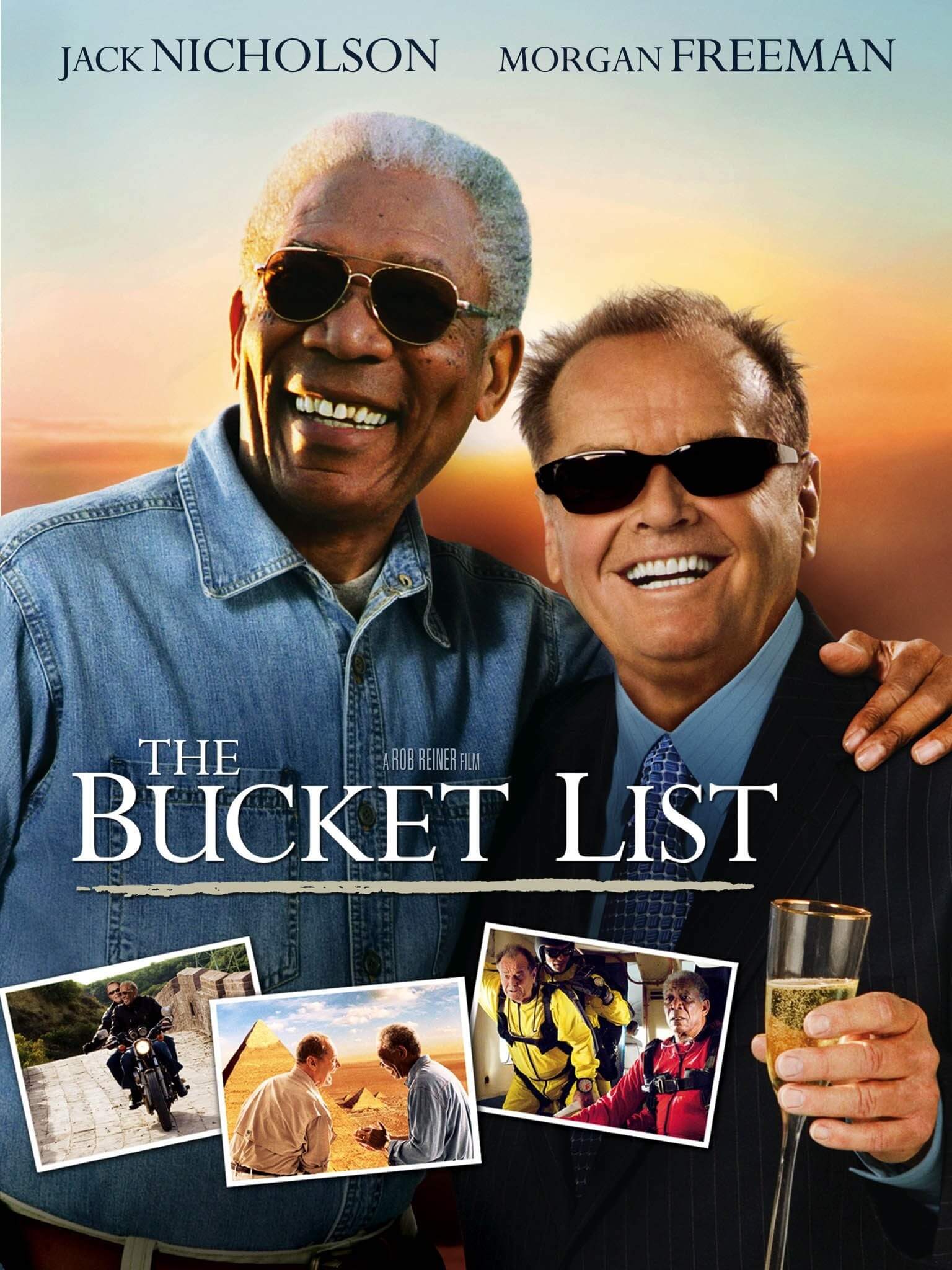
⚠️ Spoiler Alert: This article contains spoilers and discusses key plot points from The Bucket List.
Few films have done more to introduce mainstream audiences to one of the world’s strangest luxury goods than The Bucket List (2007). Somewhere between the wisecracks, the skydiving, and the emotional gut-punches of Rob Reiner’s buddy dramedy, there’s an unforgettable running joke involving a billionaire, his favorite luxury coffee, and a truth about that coffee’s origin that he doesn’t learn until it’s far too late to stop bragging about it. That coffee is Kopi Luwak — and the payoff, delivered by Morgan Freeman’s character partway through the film, has done more to spread the coffee’s fame (and infamy) than perhaps any marketing campaign ever could.
In this article, we’ll break down exactly what happens in The Bucket List, why the filmmakers chose Kopi Luwak of all things, how accurate the movie’s portrayal actually is, and what you need to know if you’re curious about trying this famous — and famously bizarre — coffee yourself.
What Is The Bucket List About?
The Bucket List stars Jack Nicholson as Edward Cole, a brash, ultra-wealthy hospital-chain owner, and Morgan Freeman as Carter Chambers, a working-class mechanic and devoted family man. The two men meet as roommates in a hospital cancer ward, where they’re both given a terminal diagnosis. Rather than spend their remaining time in quiet resignation, they draft a “bucket list” of things they want to do before they die — skydiving, visiting the Taj Mahal, driving a vintage Mustang, and, in one of the film’s most talked-about moments, tracking down the most expensive coffee in the world.
The film leans heavily on the contrast between Edward’s extreme wealth and Carter’s modest, grounded life, and the Kopi Luwak scene is a perfect vehicle for that theme. It’s funny, it’s a little gross, and it says a lot about a man who has spent his life being able to buy absolutely anything — including a coffee most people have never even heard of.
The Kopi Luwak Scene, Explained
Here’s the twist a lot of people misremember: Edward Cole has no idea what’s actually in his cup for most of the movie. From his very first appearance, he treats Kopi Luwak as his personal signature — he travels with his own portable syphon brewing setup, has his assistant Matthew prepare it for him wherever they go, and proudly calls it “the rarest beverage in the world.” For Edward, a wealthy, cultured hospital-chain owner who has never had to ask the price of anything, Kopi Luwak isn’t about flavor or origin — it’s simply the most exclusive, hardest-to-get coffee money can buy, and that alone is reason enough to drink it constantly and make sure everyone around him knows it. He’s a snob, and Kopi Luwak is his easiest possible flex: rare, absurdly expensive, and instantly available to a man of his means.
Carter Chambers, by contrast, already knows exactly what Kopi Luwak is — and says nothing for most of the film, quietly declining every cup he’s offered. He’s an amateur trivia buff with a sharp memory for obscure facts, and he’s clearly been sitting on the joke, waiting for the right moment to let Edward in on it.
That moment doesn’t arrive until well into the second half of the movie. In one of the film’s most memorable beats, Carter hands Edward a piece of paper and has him read it aloud, explaining, matter-of-factly, that Kopi Luwak comes from a wild tree cat living in a Sumatran village — the beans are eaten, digested, and then excreted by the animal before being collected. Edward’s carefully cultivated image of sophistication collapses in real time. But instead of anger or embarrassment, the two men simply lose it. They burst out laughing together and cross “laugh until I cry” off their bucket list on the spot.
The scene works precisely because it isn’t a gross-out gag dropped on the audience early for shock value — it’s a slow-burn payoff. The film spends much of its runtime letting Edward parade his luxury coffee habit around unquestioned, so that both Edward and the audience get hit with the truth at the same moment. It’s also a quietly telling character beat: a snob who prizes rarity and price over substance gets gently humbled by his working-class friend, and rather than getting defensive, he simply laughs at himself. That reaction says as much about Edward’s arc across the film as almost anything else in the script.
Why Kopi Luwak? A Perfect Symbol of Excess
There’s a reason the filmmakers didn’t have Edward Cole ordering a $50 Jamaican Blue Mountain coffee instead. Kopi Luwak isn’t just expensive — it’s a story. A great story is memorable in a way that a price tag alone never is. By the time Edward finishes his explanation, the audience doesn’t just know that he’s rich; they understand how rich, and what kind of rich. He’s the kind of man who will pay hundreds of dollars per cup for something most people would refuse to even taste.
This is exactly why Kopi Luwak keeps popping up in pop culture references, comedy sketches, and “world’s weirdest foods” listicles. It occupies a rare space where luxury, science, and shock value all overlap. The Bucket List simply packaged that overlap into two minutes of dialogue that millions of people have now seen.
Is Kopi Luwak Really That Expensive — and Is the Movie Accurate?
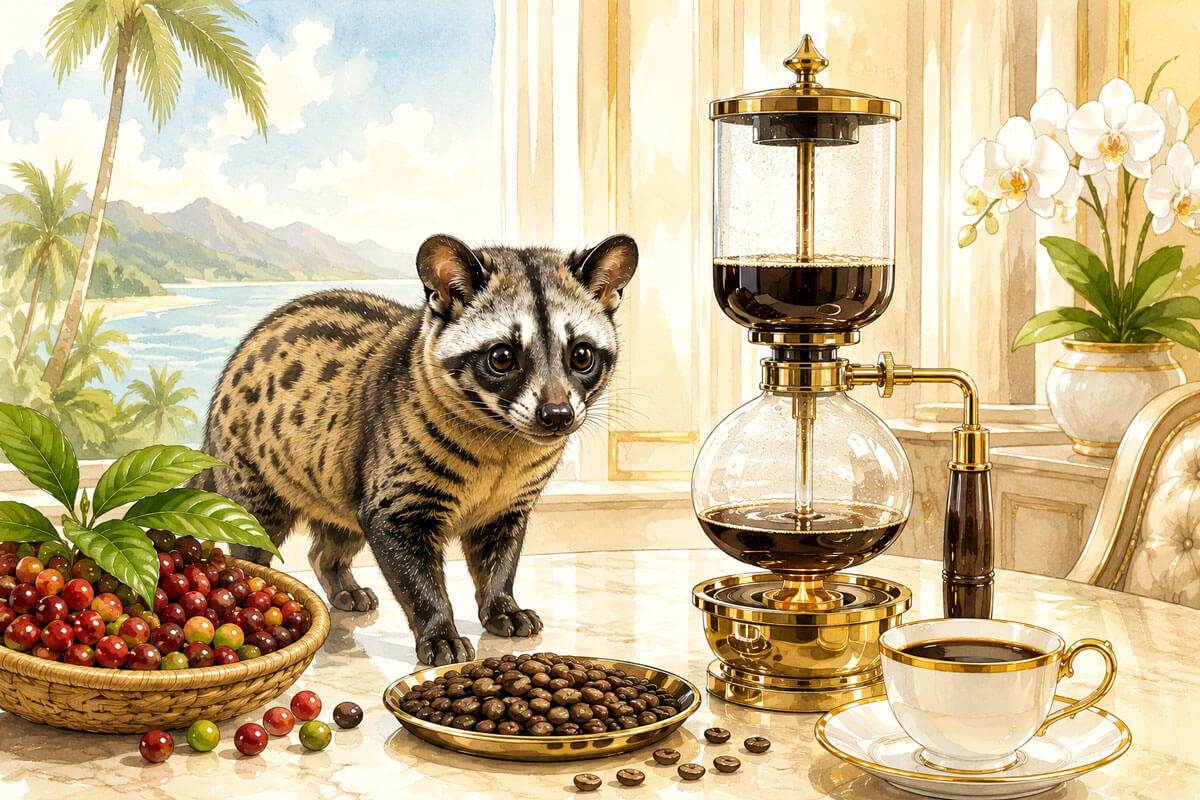
Yes, broadly speaking, the film gets the core facts right, and it gets the human behavior right too. Kopi Luwak (also spelled “kopi luwak” or referred to as “civet coffee”) really is produced from coffee cherries eaten by the Asian palm civet. The animal’s digestive enzymes partially ferment the beans, altering their chemical structure before they’re excreted, collected, thoroughly washed, and roasted like any other coffee — which is essentially word-for-word what Carter’s note tells Edward in the film. Genuine wild-sourced Kopi Luwak can indeed sell for hundreds of dollars per pound, making it one of the priciest coffees in the world, matching Edward’s claim that it’s “the rarest beverage in the world.”
The film is also more realistic than it might seem in showing Edward as completely oblivious to his coffee’s origin. In real life, Kopi Luwak has historically been marketed to wealthy buyers almost entirely on the story of its rarity and price, not on any detailed explanation of the civet’s digestive process, which sellers understandably tend to gloss over in polite conversation. It’s entirely believable that a busy billionaire would order “the world’s most expensive coffee” through an assistant for years without ever asking exactly how it’s made.
Where the movie simplifies things is in skipping over the darker side of the modern Kopi Luwak industry. Much of what is sold globally today, especially in tourist markets across Indonesia, comes not from wild civets foraging freely in the forest but from civets kept in cramped cages specifically to produce the coffee on demand. Animal welfare organizations have raised serious concerns about this caged production model, and outlets like National Geographic and the BBC have published investigations into the conditions these animals are kept in. The Bucket List was made in 2007, before this ethical debate had fully entered mainstream conversation, so it’s understandable that the film treats Kopi Luwak purely as a punchline about wealth rather than as a product with a complicated supply chain.
If you want to dig deeper into how genuine, ethically sourced Kopi Luwak is actually made — and how to tell the real thing from the many counterfeit products flooding the market — our detailed guide on Kopi Luwak coffee covers the entire process, from wild civet foraging to roasting, along with tips on buying it responsibly.
The Cultural Ripple Effect of the Scene
It’s hard to overstate how much The Bucket List did for Kopi Luwak’s public profile. Before 2007, civet coffee was mostly known within niche gourmet and specialty coffee circles. After the film’s release, “Kopi Luwak” became a recognizable phrase even among people who had never set foot in a specialty coffee shop. Search interest spiked, food blogs raced to cover it, and TV hosts staged their own “will you try it?” segments referencing the movie directly.
The scene has since become one of those cultural touchstones that people quote or reference even out of context — right alongside other famous movie food moments. It’s a reminder of how a single well-placed scene can turn a niche product into a household name almost overnight.
Kopi Luwak vs. Regular Coffee: What’s the Actual Difference?
Beyond the shock factor, there’s a legitimate flavor question at the heart of the Kopi Luwak phenomenon: does the civet’s digestive process actually make the coffee taste better? Coffee scientists and cuppers generally attribute Kopi Luwak’s distinct profile — often described as smoother, less bitter, and slightly earthy or musky — to the enzymatic fermentation that occurs in the civet’s stomach, which breaks down some of the proteins responsible for bitterness in coffee.
It’s worth remembering that Kopi Luwak almost always starts life as ordinary Arabica or Robusta coffee cherries before the civet ever gets involved. The quality of the underlying bean still matters enormously. If you’re curious about what makes the base bean itself so important to flavor — independent of any fermentation gimmick — our companion article on Arabica coffee beans explains why it remains the gold standard for specialty coffee production.
Should You Try Kopi Luwak Yourself?
If The Bucket List has you curious enough to actually track down a cup, here’s what to keep in mind:
- Price is a real signal, but not a guarantee. Authentic wild-civet Kopi Luwak is rare and expensive; extremely cheap “Kopi Luwak” sold at airports or tourist stalls is very often diluted or entirely fake.
- Ask about sourcing. Reputable sellers will tell you clearly whether their coffee comes from wild-foraging civets or caged animals. If a seller can’t or won’t answer, treat that as a red flag.
- Taste with realistic expectations. Kopi Luwak is often smoother and less acidic than typical coffee, but it isn’t universally regarded as “the best-tasting coffee in the world” — much of its price comes from rarity and novelty rather than a dramatically superior cup.
- Consider the ethics. If animal welfare matters to you, look specifically for certified wild-sourced or “cage-free” Kopi Luwak, or consider trying other rare, high-quality coffees instead.
Fun Facts About Kopi Luwak and The Bucket List
- Edward Cole calls Kopi Luwak “the rarest beverage in the world” throughout the film — a claim that isn’t far off from what genuine rare Kopi Luwak can fetch at auction or in luxury retail, and he never once questions where it actually comes from.
- Carter reveals the truth by handing Edward a written note rather than simply telling him out loud — a small comedic choice that lets the horror sink in on Edward’s face as he reads it himself.
- The word “kopi” simply means “coffee” in Indonesian and Malay, while “luwak” refers to the civet itself.
- Indonesia remains the largest producer of Kopi Luwak, though small amounts are also produced in the Philippines (where it’s called kape alamid) and Vietnam (cà phê chồn).
- The film’s box office success (it grossed over $175 million worldwide) helped cement Kopi Luwak’s status as a recurring reference point in food and travel media for years afterward.
Frequently Asked Questions
Does Jack Nicholson actually drink Kopi Luwak in the movie?
Yes — his character, Edward Cole, drinks it constantly throughout the film and calls it the rarest coffee in the world. However, he has no idea of its actual origin until Morgan Freeman’s character, Carter, reveals it to him via a note well into the second half of the movie.
Does Edward know what Kopi Luwak is made from before Carter tells him?
No. Throughout the first half of the film, Edward drinks Kopi Luwak purely because it’s rare, expensive, and exclusive — the perfect status symbol for a wealthy connoisseur. He genuinely doesn’t know how it’s produced until Carter, who has known all along, hands him a note explaining it.
Is Kopi Luwak really made from civet droppings?
Yes. The Asian palm civet eats ripe coffee cherries, partially digests the outer fruit, and excretes the beans, which are then collected, cleaned, and roasted.
Why is Kopi Luwak so expensive?
Its price comes from a combination of rarity, labor-intensive collection, and its novelty status as one of the world’s most unusual coffees — not necessarily because it produces the objectively “best” tasting cup.
Is it ethical to drink Kopi Luwak?
It depends on the source. Wild-foraged Kopi Luwak, where civets roam freely and choose their own food, is generally considered far more ethical than coffee from caged-civet operations, which have drawn criticism from animal welfare groups.
Final Thoughts
The Kopi Luwak scene in The Bucket List is a small moment in a much larger story about friendship, mortality, and living life fully — but it’s the moment many viewers remember best. It captures, in a single conversation, the strange, funny, slightly uncomfortable intersection of extreme wealth and extreme rarity that defines luxury goods everywhere. Whether you come away from the film wanting to track down a cup yourself or simply relieved you’ll never have to, one thing is certain: few movies have ever made a coffee bean quite as famous.