A Guide to Latte and Milk-based Coffee Drinks
Today, the latte has become one of the world’s most recognizable and beloved coffee drinks after espresso. At first glance, it may seem like “just a coffee with milk,” but it actually represents much more than that. A latte is not simply a beverage — it’s a symbol of coffee culture that continues to evolve, adapt, and win over the world with new variations.
In this comprehensive article, I’ll explore the origins, evolution, and different types of lattes, as well as why they’ve become one of the most iconic drinks in modern coffee culture. I also plan to write more detailed articles later about how specific latte drinks are made.
What Exactly Is a Latte?
The word “latte” comes from Italian and simply means “milk.” The full Italian name, “caffè latte,” literally translates to “milk coffee.” In its original form, it’s a simple drink: strong espresso combined with warm steamed milk and topped with a thin layer of milk foam.
Lattes are often confused with cappuccinos, but there are several important differences. A latte contains more milk, has a milder espresso flavor, and is topped with less foam than a cappuccino.
The History of the Latte
Italian Roots
The latte originated in Italy, where morning coffee traditionally meant enjoying a “caffè latte.” However, this drink was usually made at home rather than in cafés, often as a simple combination of brewed coffee and warm milk.
The Modern Latte – Shaped by American Coffeehouses
The latte as we know it today — a shot of espresso, lots of steamed milk, and a small layer of foam — developed within American coffee culture in the late 20th century. Starbucks and other coffee chains helped popularize it around the world, and since then countless flavored versions have appeared.
Today, the latte is no longer just a milk-based coffee drink. It has become a lifestyle symbol associated with creativity, comfort, and modern living.
How Is a Classic Latte Made?
Making a classic latte is based on three main ingredients:
- Espresso (25–30 ml) – The foundation of the latte is a fresh shot of espresso.
- Steamed milk (about 150–200 ml) – The milk is heated and textured with a steam wand until it becomes silky and smooth.
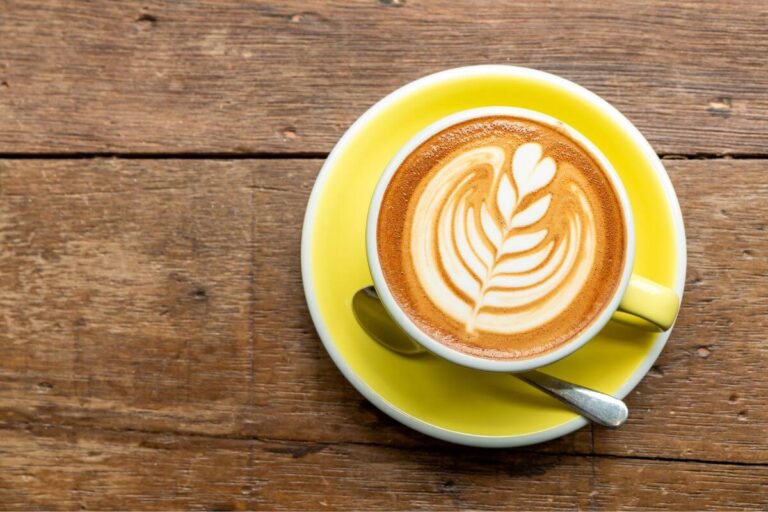
- Milk foam (about a 1 cm layer) – The foam sits on top like a crown and often serves as decoration as well (latte art).
The right balance is essential during preparation. A latte is typically made with 1 part coffee and 5–7 parts milk, creating a smooth, creamy, and velvety drinking experience.
Latte vs. Other Milk-Based Coffee Drinks – Comparison Table
Although a latte is very similar to other milk-based coffee drinks like a cappuccino or flat white, there are a few key differences:
| Drink | Espresso | Steamed Milk | Milk Foam | Characteristics |
|---|---|---|---|---|
| Caffè Latte | 1 shot | A lot | Light layer | Smooth, milky, balanced |
| Cappuccino | 1 shot | Moderate amount | Thick layer | Creamy with a bold coffee flavor |
| Flat White | 2 shots | Small amount, microfoam | Thin milk crema | Strong yet silky texture |
| Latte Macchiato | Small amount (on top) | A lot | Light layer | Layered, milk-forward, visually appealing |
| Breve Latte | 1 shot | Half milk, half cream | Thick and rich | Creamy, dessert-like |
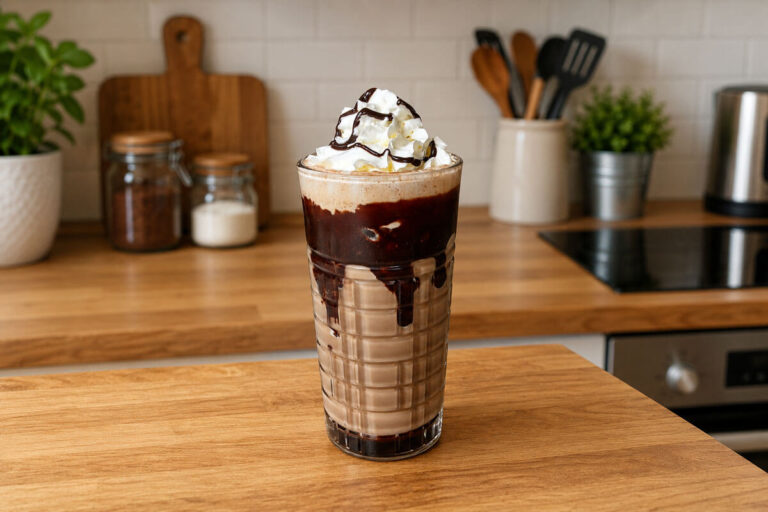
| Caffè Mocha | 1 shot | Steamed milk + chocolate | Milk foam or whipped cream | Sweet, chocolate-flavored latte |
| Espresso Con Panna | 1 shot | — | Whipped cream | Short drink with a creamy finish |
| Cortado | 1 shot | Small amount | None or minimal | Strong espresso slightly softened with milk |
| Macchiato | 1 shot | — | A spoonful of milk foam | Bold espresso with just a touch of milk foam |
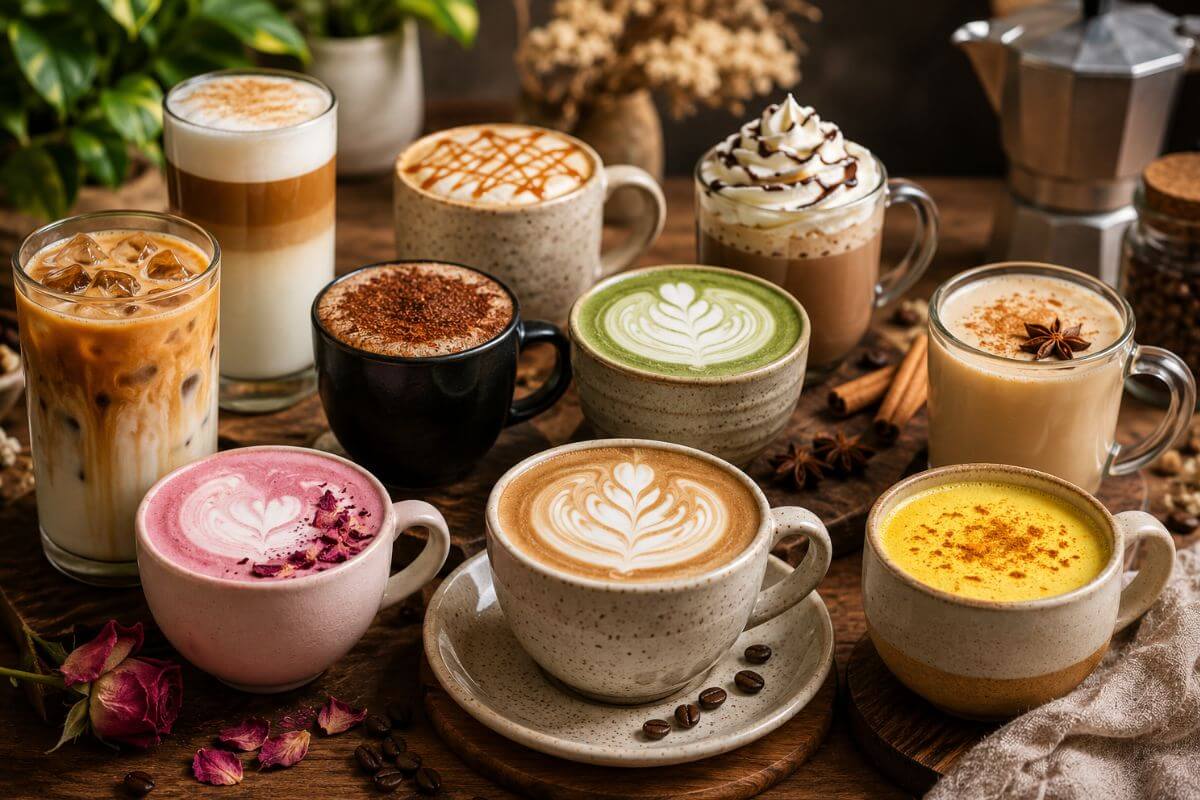
Latte Types – Creative Variations from Around the World
One of the greatest things about lattes is that they provide the perfect base for flavored, seasonal, and even completely reimagined drinks. Below are some of the most popular latte variations.
1. Vanilla Latte
A classic, lightly sweetened version made with vanilla syrup. Its smooth and balanced flavor makes it ideal for beginners.
2. Caramel Latte
The harmony of milk and coffee is complemented by sweet caramel syrup. It’s often topped with whipped cream and caramel drizzle.
3. Hazelnut Latte
The nutty flavor blends beautifully with the milk and coffee, creating a rich and silky drink.
4. Pumpkin Spice Latte
An iconic fall beverage made with pumpkin purée, warm spices (cinnamon, ginger, nutmeg), and milk foam.
5. Matcha Latte
Made with matcha green tea powder instead of coffee. Mixed with milk, it creates a vibrant green, wellness-focused drink.
6. Chai Latte
A blend of black tea, spices (cardamom, cinnamon, cloves), and milk. A sweet and aromatic alternative to coffee-based lattes.
7. Turmeric Latte (Golden Milk)
Made with anti-inflammatory turmeric and often flavored with ginger, cinnamon, and honey. A caffeine-free option.
8. Iced Latte
The same as a classic latte, but made with cold milk and ice. A summer favorite.
9. Latte Macchiato
Prepared in reverse order: milk is poured first, followed by espresso, which “stains” the milk foam. It’s a layered and visually striking drink.
10. Colorful Lattes (such as rose or lavender lattes)
Made with natural coloring and floral flavors, these drinks are especially popular on Instagram.
Latte as a Cultural and Social Experience
A latte is more than just a drink — it’s part of a lifestyle. Millions of people order lattes every day in cafés around the world, and they’re often associated with:
- Morning routines
- Coffeehouse conversations
- Work breaks
- Instagram-worthy photos
- Creative latte art competitions
Part of the latte’s popularity comes from how customizable it is. You can choose plant-based milk (oat, almond, soy), decaf espresso, or sugar-free syrups, making it a perfect fit for modern health-conscious trends.
Making Lattes at Home – A Barista Experience in Your Own Kitchen
Although many people enjoy lattes in cafés, they can also be made at home — even without professional equipment.
Basic Essentials
- Espresso machine (or a moka pot/stovetop espresso maker)
- Milk thermometer (optional, but helpful)
- Steam wand or electric milk frother
- Ceramic mug or glass (300–400 ml)
Tips
- The ideal milk temperature is 60–65°C (140–149°F). If it gets hotter, the flavor and texture begin to change.
- The foam should be silky and glossy, not overly bubbly.
- If you want to practice latte art, start with a simple heart design.
Lattes and the Seasons – Always Showing a New Side
One of the charms of the latte is how easily it adapts to the seasons. In the fall, pumpkin spice takes over. In winter, gingerbread and hazelnut flavors become popular. Spring brings floral notes like lavender, while summer is all about iced lattes.
Seasonal latte drinks are more than just flavorful beverages — they also create a certain mood and atmosphere. The warm spices and comforting aroma of a well-made latte can make even the coldest days feel cozy.
The Latte – A Drink That’s Always with Us
The popularity of the latte is no accident. It’s easy to love, endlessly customizable, and versatile enough for everyone to find a version that matches their personal taste.
Whether it’s served in its classic form, flavored with syrups, made with tea instead of coffee, or enhanced with colorful ingredients, the latte remains one of the most beloved and versatile drinks in modern coffee culture.
And if you’re a latte fan yourself, it’s worth taking the time to explore all the different variations out there.