Cappuccino: Everything You Need to Know About It
Cappuccino is one of the most well-known and beloved milk-based coffee drinks in the world. Although many people simply see it as a morning beverage, it actually has a rich cultural background and a history that dates back centuries. This iconic Italian coffee is not only an essential item in cafés and coffee shops, but also one of the cornerstones of coffee culture itself. In this article, I’ll take a detailed look at what cappuccino is, how it’s made, its history, the different variations, and some interesting facts worth knowing about it.
What Is a Cappuccino?
A cappuccino is an Italian coffee drink made with a perfect harmony of espresso, steamed milk, and milk foam. It is traditionally served in a 150–180 ml (5–6 oz) cup and consists of one-third espresso, one-third steamed milk, and one-third milk foam.
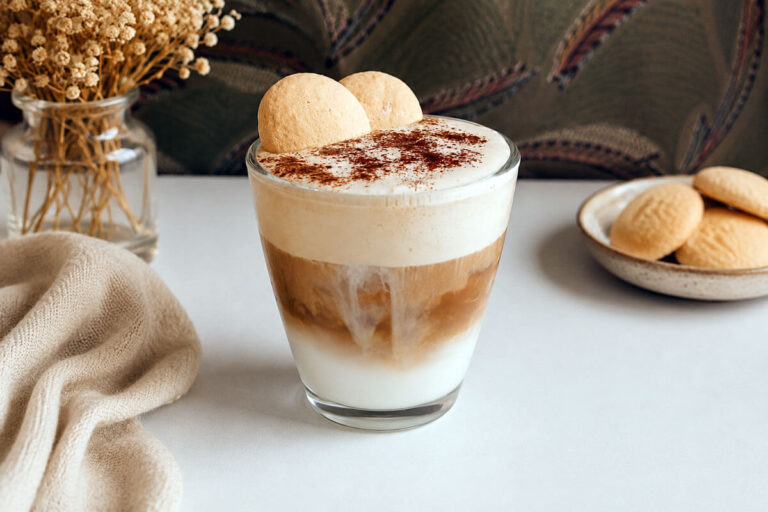
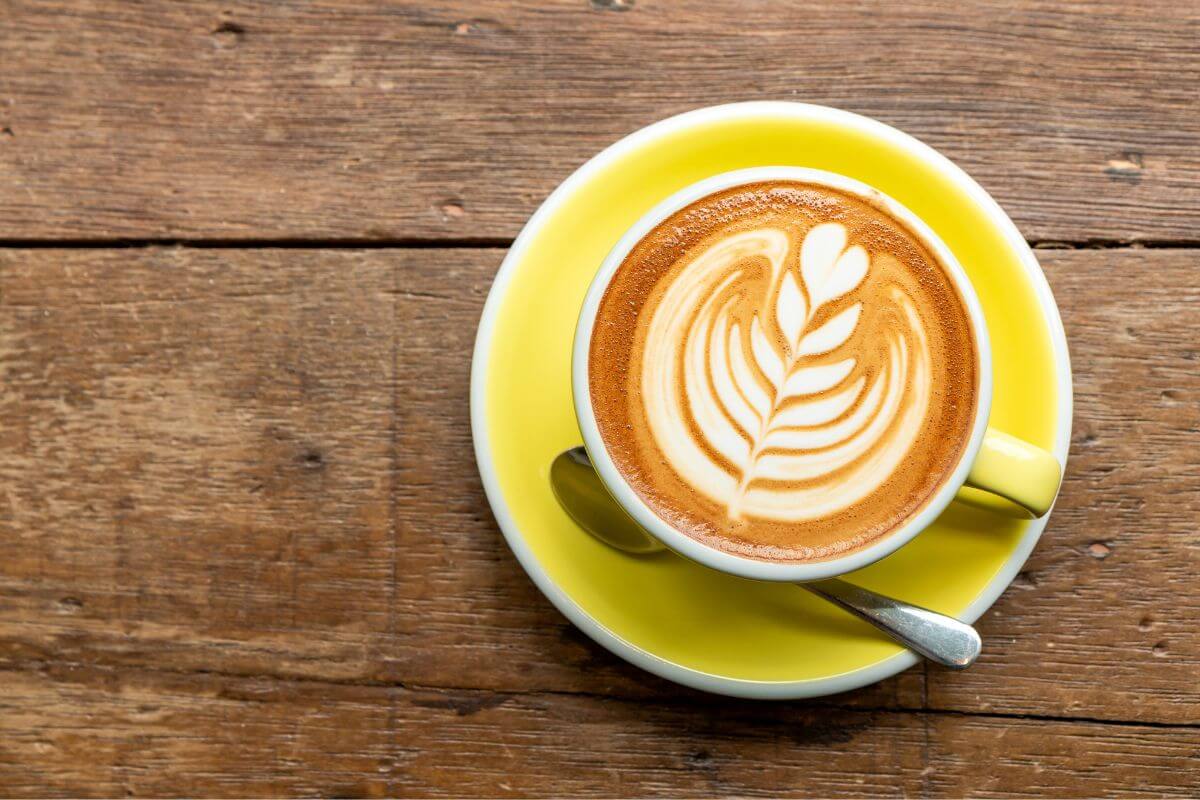
What makes a cappuccino special is its velvety, creamy milk foam, which is created from specially steamed milk and sits like a crown on top of the coffee. This foam layer not only enhances the flavor but also adds a visual appeal, especially when decorated with latte art patterns.
The History of Cappuccino
Following in the Footsteps of Capuchin Monks
The name “cappuccino” comes from the Italian word cappuccio, meaning “hood” or “hooded robe.” It refers to the brown robes worn by Capuchin monks, whose color resembles the shade created by mixing coffee and milk.
As early as the 17th and 18th centuries, people were already combining coffee with milk, but the modern cappuccino only took shape in the early 20th century with the invention of modern espresso machines.
The Role of the Espresso Machine
The key to the birth of the cappuccino was the invention of the espresso machine. In the early 1900s, Luigi Bezzera and others developed a machine capable of brewing coffee under high pressure. This not only produced a stronger, more concentrated drink but also made it possible to steam milk.
This led to the cappuccino in its modern form: a perfectly prepared espresso topped with steamed milk and foam.
The Global Rise of Cappuccino
Starting in the 1950s, cappuccino gained worldwide popularity. Italian emigrants and the spread of coffeehouses helped make cappuccino one of the most beloved coffee drinks first in Europe, then in the United States, and eventually across the globe.
Today, it can be found in virtually every coffee shop, and international chains like Starbucks have helped make it widely recognized on a global scale.
How Is Cappuccino Made?
The Base: Espresso
The foundation of every cappuccino is a high-quality espresso. This is what gives the drink its character, rich flavor, and aroma. To make espresso, freshly ground, high-quality coffee beans are brewed at the proper temperature and pressure.
Steaming the Milk
The biggest challenge in making a cappuccino is properly steaming the milk. The goal is to create microfoam — milk foam with a smooth, silky texture rather than large, bubbly foam. The optimal milk temperature is between 140–149°F (60–65°C); anything hotter can result in a burnt taste.
The Ratios
The classic cappuccino follows these proportions:
- 1/3 espresso
- 1/3 steamed milk
- 1/3 milk foam
Latte Art
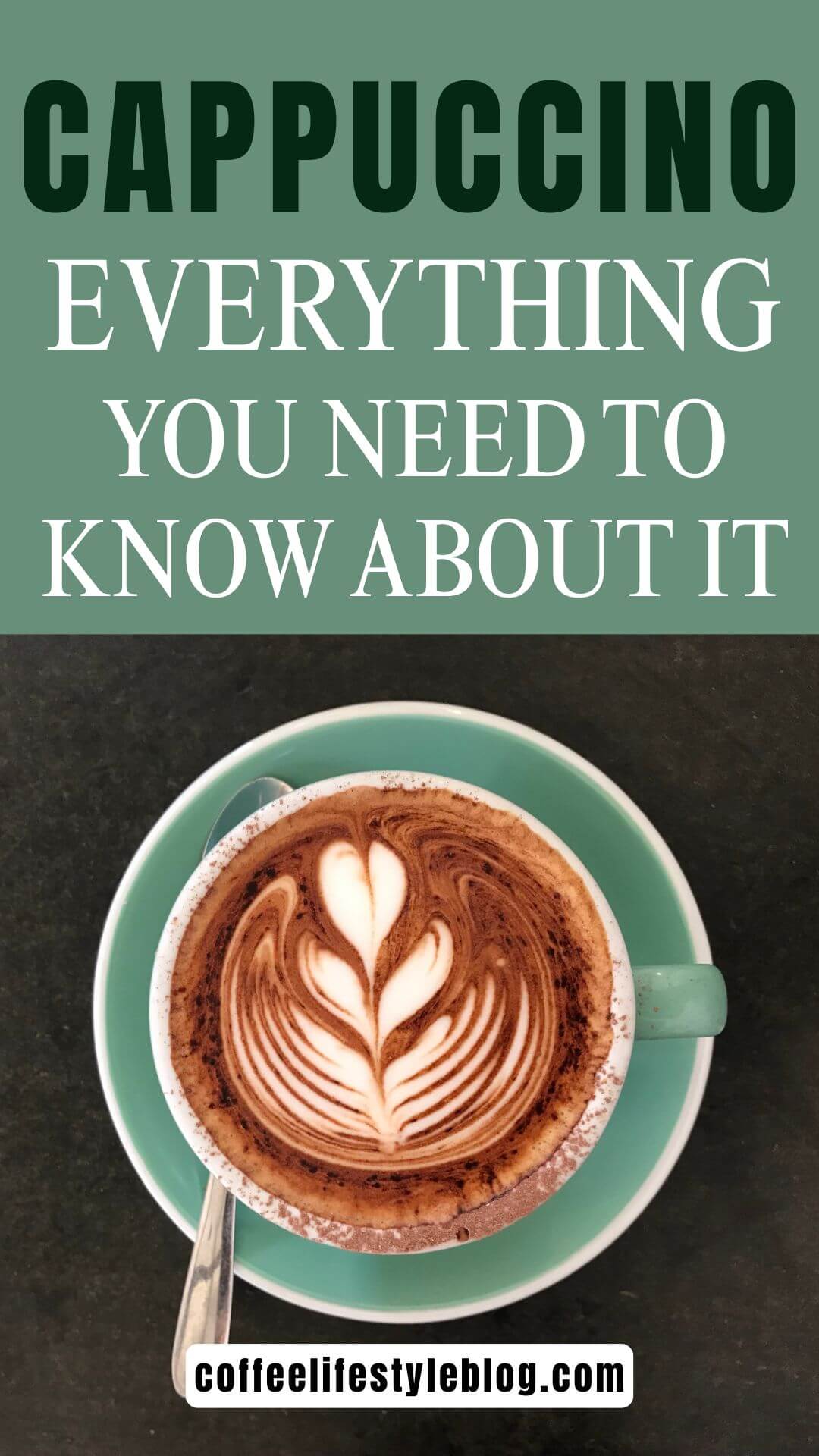
Although not required, latte art—patterns poured into the milk foam—has become one of the defining features of a cappuccino. Hearts, leaves, flowers, and even more intricate designs can appear on top, turning the coffee into a visual experience as well.
Cappuccino vs. Other Coffee Drinks
Many people confuse cappuccino with other milk-based coffee drinks, but each has its own distinct characteristics.
- Latte: Contains more steamed milk and less foam, and is served in a larger cup.
- Macchiato: An espresso with just a small amount of milk foam.
- Flat white: Similar to a cappuccino but with less foam and a stronger coffee flavor.
Cappuccino Consumption Habits
In Italy
In Italy, cappuccino is traditionally a morning drink. It is usually enjoyed with a croissant or brioche, and it is rarely ordered after around 11 a.m. (some sources say 10 a.m.), as Italians believe that milk makes digestion heavier later in the day.
Internationally
In other countries, cappuccino is consumed at any time of day — morning, afternoon, or even evening. In many places, it is also served as a dessert beverage alongside a slice of cake.
Different Variations of Cappuccino
Although the classic recipe is simple, cappuccino exists in many variations around the world. Here are a few:
- Cappuccino freddo: A cold version that is especially popular in the summer.
- Flavored cappuccino: Enhanced with vanilla, caramel, chocolate, or cinnamon.
- Vegan cappuccino: Made with plant-based milks such as almond, oat, or soy milk.
Cappuccino and Health
Like any coffee drink, cappuccino is healthiest when consumed in moderation.
- Positive effects: Caffeine is stimulating and can improve focus, while milk provides valuable protein and calcium.
- Drawbacks: Excessive consumption of caffeine may cause restlessness, and added sugar or syrups can contribute unnecessary calories.
Interesting Facts About Cappuccino
- The cocoa powder or cinnamon sprinkled on top is optional, but commonly used in many places.
- World Cappuccino Day is celebrated on November 8.
- Italian baristas believe that the secret to a great cappuccino lies in fresh ingredients and skilled hands.
- A classic cappuccino contains about 70–80 mg of caffeine, depending on whether it is made with robusta or arabica beans.
- Cappuccino is one of the most frequently posted coffee drinks on Instagram, largely thanks to latte art.
Cappuccino at Home – Tips and Tricks
Many people think cappuccino can only be perfectly made in a café, but with a little practice, it can be prepared at home as well.
- Use a good-quality espresso machine, or if you don’t have one, a capsule coffee maker can also work.
- Choose fresh, high-quality coffee beans.
- Learn how to steam milk properly. If you don’t have a steam wand, a manual milk frother can also be used.
- Experiment with ratios to find the combination that tastes best to you.
Cappuccino in Modern Coffee Culture
Today, cappuccino is more than just a drink — it’s a symbol. It plays an iconic role in café meetups, morning rituals, friendly conversations, and creative latte art competitions. The internet and social media have further strengthened its status: cappuccino is now a lifestyle experience associated with quality, style, and community.
Summary
Cappuccino consumption is a cultural phenomenon that connects the past with the present. Its history spans centuries, its preparation is an art, and drinking it is often a ritual. Whether enjoyed in the morning with a croissant or as an afternoon dessert, cappuccino always delivers a memorable experience.
Whether it’s a classic Italian version or a modern flavored variation, cappuccino remains one of the most beloved gems of coffee culture.