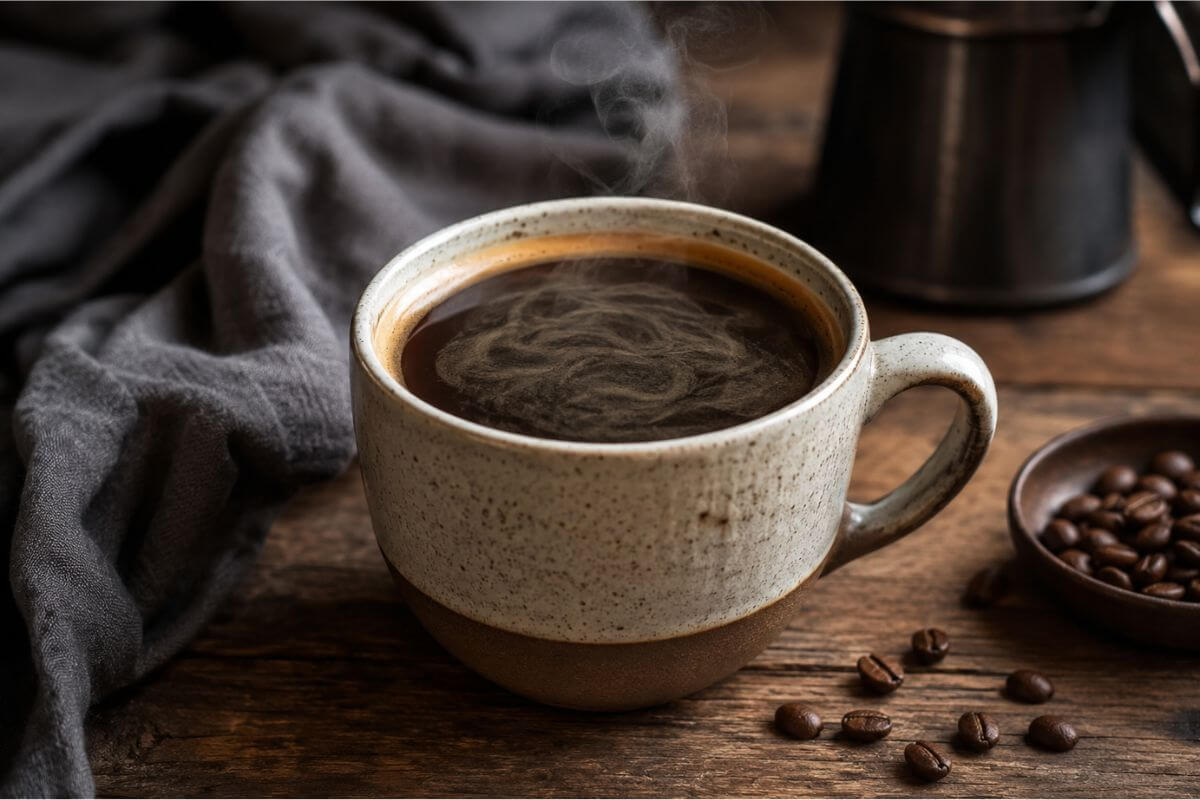
The Americano Coffee – Bold, smooth, and deceptively simple
In a coffee world increasingly obsessed with single-origin pour-overs and oat-milk-loaded creations with seven-syllable names, the americano stands apart — defined not by what it adds, but by the elegance of its restraint. Just espresso and hot water. And yet, in those two ingredients, an entire philosophy of coffee-drinking lives.
Whether you’re ordering it at a third-wave specialty café in Portland or pulling shots at home with a new espresso machine, understanding the americano coffee in depth changes the way you experience it. This is the full story.
A Brief History: Born in Wartime Europe
The origin story of the americano is one of the most charming in coffee lore. During World War II, American soldiers stationed in Italy found themselves confronted with a beverage that, while extraordinary, was nothing like the drip coffee they knew from home. Italian espresso — short, concentrated, intensely aromatic — was a different beast entirely.
“American soldiers asked for something closer to home. Italian baristas obliged by simply adding hot water. A drink, and a word, was born.”
Rather than forcing themselves to adapt, the soldiers asked local baristas to dilute the espresso with hot water, creating a longer, milder drink that approximated the volume and approachability of American-style drip coffee. The Italians, ever accommodating (if quietly amused), complied — and in doing so, coined the term caffè americano, or “American coffee.”
It was never meant to be an insult, but the name stuck as a gentle cultural footnote. Today, the americano has transcended its utilitarian origins to become a drink beloved for its own distinct qualities — not as a substitute for anything, but as a category unto itself.
What Exactly Is an Americano?
At its core, an americano coffee is espresso diluted with hot water. Typically, one or two shots of espresso are combined with approximately 120–180ml (4–6oz) of hot water. The result is a drink that shares espresso’s depth of flavor while offering a larger, more approachable volume and lower perceived intensity.
What sets it apart fundamentally from drip coffee — despite superficial similarities — is the brewing method. Espresso is made under pressure (typically 9 bars), which extracts compounds differently than drip brewing does. This pressure extraction produces the characteristic crema and a flavor profile that water alone cannot replicate.
Americano coffee ratio: the numbers that matter
Short / Intense
1 part espresso to 2 parts water. Strong, closer to a lungo in character.
Classic Standard
The café baseline. Balanced, clear, with espresso character intact.
Long / Smooth
Lighter body, more delicate. Ideal for single-origin beans.
Americano Lungo
A very long drink. Great for slow sipping, closer to filter coffee feel.
How to Make an Americano: The Technique
How to make an americano coffee properly is a surprisingly debated topic. There are two primary methods, and they produce noticeably different results.
Method 1: Espresso first, water second (standard)
- Pull a double espresso shot (approx. 18–20g of ground coffee yielding 36–40g of liquid) directly into your cup.
- Heat your water to around 88–94°C (190–201°F). Avoid boiling water — it will scald the espresso.
- Gently pour the hot water over the espresso, aiming for your desired ratio.
- Do not stir — let the two liquids integrate naturally to preserve the crema layer.
Method 2: Water first, espresso second (long black style)
- Add hot water to the cup first, using your target volume.
- Pull the espresso shot directly into the water.
- This method preserves the crema more visually and is favored in Australian and New Zealand coffee culture (where this style is called a “long black”).
Pro Tip: The water-first method produces a more intact crema on the surface — that golden, aromatic foam that carries much of espresso’s most volatile flavor compounds. If flavor is your priority, go water first. If you’re more casual about it, espresso-first works perfectly fine.
Flavor Profile: What Does an Americano Taste Like?
The flavor of an americano coffee is directly downstream of the espresso it’s built on — which means it varies significantly by bean origin, roast, and extraction. As a general rule, expect a drink that is:
Bitter but not harsh — The bitterness of espresso remains present but is rounded by the water. Well-extracted espresso brings pleasant, dark chocolate bitterness rather than astringency. Aromatic and complex — Because espresso extraction under pressure preserves aromatic compounds, an americano carries more volatile aromatics than drip coffee made from the same beans. Light-bodied but not thin — The mouthfeel is lighter than straight espresso but more full-bodied than filter coffee. Crema adds a slight richness. Lower perceived acidity — Dilution softens the brightness, which is why many people who find espresso too sharp enjoy americanos.
Bean Selection: What to Use
Because the americano is such a simple drink, the quality of the espresso is everything. The water adds volume, not flavor. Choose wisely.
Roast level
Medium roast espresso beans are the sweet spot for most americanos. They offer enough body and structure to survive dilution while preserving origin-specific flavor notes — fruit, caramel, nuts, floral. Dark roasts produce the classic, bold americano favored in Italian-style cafés: rich, chocolatey, with lower acidity. Less nuance, more presence. Light roasts can be exceptional in americanos, especially if you’re using a 1:3 or 1:4 ratio. Their higher acidity and fruit-forward profiles shine when gently diluted — but they’re unforgiving of poor extraction.
Single-origin vs. blend
Espresso blends are designed for balance under dilution, making them reliable americano bases. But a well-dialed single-origin shot — from Ethiopia, for its floral brightness, or Colombia, for its clean sweetness — can turn your americano into something genuinely spectacular.
Varieties of Americano Coffee
The standard. Double espresso, hot water. Black, no additions.
Water-first method. Australian/NZ version. Crema intact on top.
Espresso pulled over ice, topped with cold water. Hugely popular in South Korea.
Americano with a splash of milk or cream — a hybrid between americano and flat white territory.
Half americano, half steamed milk. A softer, café-au-lait-adjacent experience.
Americano sweetened with caramel syrup. A crowd-pleaser with dark roast espresso.
How the Americano Compares to Other Coffee Drinks
| Drink | Base | Volume | Milk? | Flavor | Caffeine |
|---|---|---|---|---|---|
| Americano | Espresso + hot water | 150–240ml | No | Bold, clean, aromatic | ~120–135mg |
| Drip / Filter Coffee | Brewed through filter | 200–350ml | No | Milder, more bitter, less aromatic | ~95–165mg |
| Espresso | Pressure extraction | 25–35ml | No | Intense, thick, syrupy | ~63–75mg |
| Lungo | Espresso (more water through grounds) | 60–90ml | No | Weaker, more bitter than espresso | ~77–85mg |
| Flat White | Espresso + steamed milk | 150–180ml | Yes | Creamy, balanced, mild | ~120–135mg |
| Cappuccino | Espresso + foam + milk | 150–180ml | Yes | Frothy, sweet, approachable | ~63–75mg |
| Long Black | Espresso over water | 150–230ml | No | Same as americano, more crema | ~120–135mg |
What People Mix Into Americanos
The americano is an exceptionally mixable base. Because it lacks milk, it accepts additions cleanly without curdling or competing textures. Common additions include a small pour of oat, almond, or regular milk for those who want the americano’s black-coffee character with softer edges. Simple syrups — vanilla, hazelnut, or brown sugar — integrate elegantly. A pinch of cinnamon or cardamom stirred into the water before adding espresso adds aromatic warmth without sweetness. In some specialty cafés, a small orange peel squeezed over the cup before serving plays off espresso’s bright, citrus-adjacent acidity to dramatic effect.
Technical Considerations: Getting the Extraction Right
An americano is only as good as the espresso it starts with. A poorly extracted shot — under-extracted (sour, weak) or over-extracted (bitter, dry) — cannot be rescued by water. This makes dialing in your espresso non-negotiable.
Target an extraction yield of 18–22% (measured with a refractometer if you want to go deep) and a brew ratio for the espresso itself of 1:2 (18g in, 36g out) in roughly 25–30 seconds. Water quality matters significantly: aim for water with a TDS (total dissolved solids) of 75–150 ppm. Too soft and it will taste flat; too hard and it will taste chalky. If your tap water is extreme either way, filtered or bottled water is worth the effort. Water temperature for dilution should sit between 88–93°C — not boiling, which risks flattening the aromatics extracted under pressure.
Equipment Note: Any espresso machine — from a home lever machine to a professional La Marzocco — can produce the base for a great americano. The variable is consistency: if your machine holds stable pressure at 9 bars and your grinder produces uniform particle size, you’re most of the way there.
The Americano’s Place in Modern Coffee Culture

In the specialty coffee world, the americano has quietly undergone a renaissance. Once considered a compromise drink — espresso for people who didn’t really want espresso — it is now recognized as a legitimate showcase for exceptional beans. Roasters who work with naturally processed Ethiopians, washed Kenyans, or experimental Geisha varietals often recommend drinking them as americanos precisely because dilution reveals complexity that straight espresso sometimes conceals in its intensity.
Meanwhile, the iced americano has become arguably the most popular cold coffee drink in South Korea — a cultural phenomenon unto itself — and has spread globally with the rise of specialty café culture. It is refreshing, intensely flavorful, and calorie-free without any effort.
What the americano ultimately offers is something increasingly rare: a drink that rewards attention without demanding expertise from the drinker. You don’t need to understand latte art, milk texturing, or brewing temperature profiles to love an americano. You just need good espresso and hot water. And maybe, the smallest bit of history in your cup.