8 Unusual Coffee Traditions from Around the World
Coffee is one of the most loved beverages worldwide, and coffee traditions vary greatly from one culture to another. No two coffee cultures are exactly alike. Every country has its own way of brewing, enjoying, or even celebrating this dark drink. In some places, coffee is surrounded by ritual, while in others it’s simply seen as a quick source of energy. In this article, I’ll introduce eight unique — sometimes surprising — coffee traditions from around the world, and you’re bound to find at least one you’ve never tried before.
1. Turkey – coffee that tells your fortune
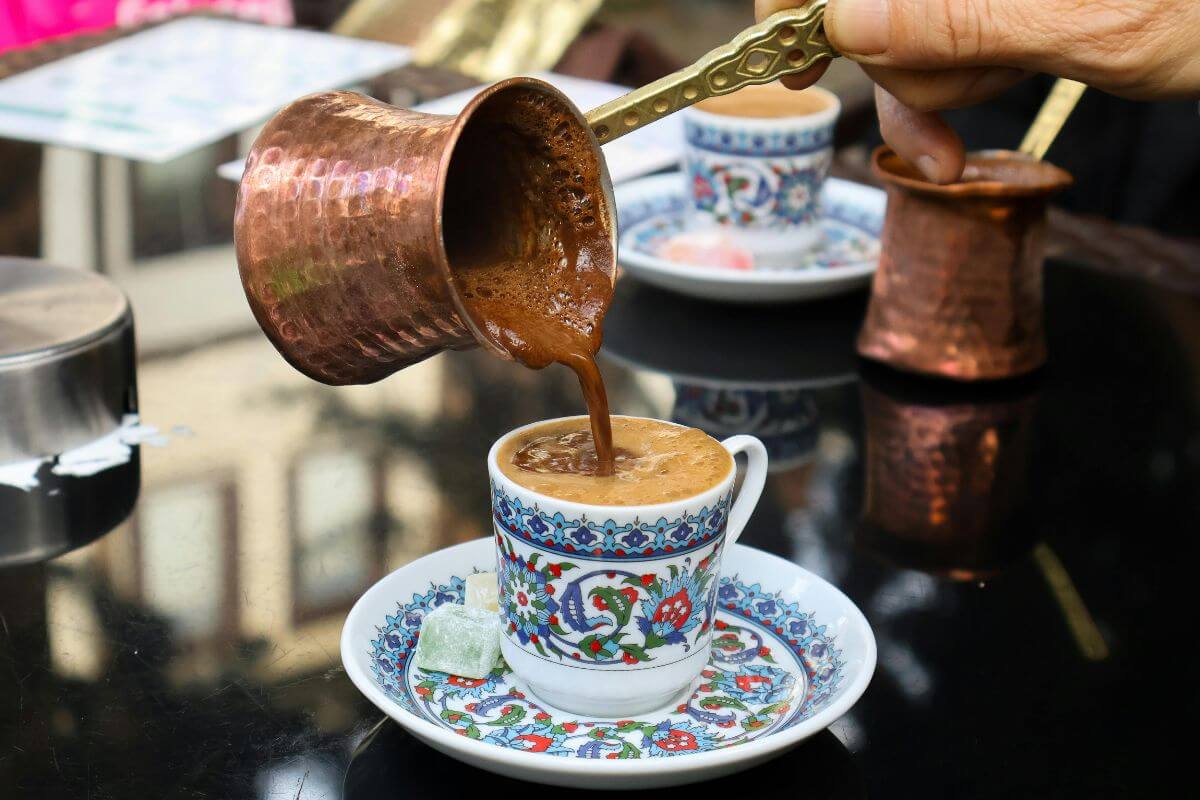
Turkish coffee is one of the most well-known traditions in the world. It’s not just the brewing method that makes it special, but what people do with what’s left behind. After finishing your coffee, the grounds left at the bottom of the cup are used for fortune-telling. The cup is turned upside down, and the patterns are interpreted to predict the future. This practice is not only fun but also social, as friends and family often do it together.
This tradition shows how coffee can serve as a symbolic connection between people.
2. Finland – coffee with cheese
Finland is one of the biggest coffee-consuming countries in the world, but they have a truly unusual habit: drinking coffee with cheese. This is especially common in Lapland. A type of cheese called juustoleipä (also known as “coffee cheese”) is cut into small cubes or diamond shapes and placed into hot coffee. The cheese absorbs the coffee’s flavor, while the coffee takes on a smoother, creamier character.
It may sound strange at first, but for Finns, it’s a traditional and comforting experience.
3. Vietnam – egg coffee
Vietnamese egg coffee (cà phê trứng) might sound more like a dessert than a drink at first. It’s made with sweetened condensed milk, strong robusta coffee, and whipped egg yolk, resulting in a silky, creamy, slightly sweet beverage. According to the story, during World War II there was a shortage of milk in Vietnam, so egg was used as a substitute — and it has since become a national specialty.
This tradition is a great example of how a creative workaround can turn into a lasting cultural favorite.
4. Ethiopia – the coffee ceremony
Ethiopia is widely considered the birthplace of coffee, and here, drinking coffee is much more than a daily habit — it’s a sacred, communal ritual. During an Ethiopian coffee ceremony, green coffee beans are freshly roasted, ground with a mortar and pestle, and brewed in a traditional pot called a jebena. The coffee is served in three rounds, and it’s meant to be shared with family and friends. This practice strongly reflects the importance of community, with coffee symbolizing togetherness.
5. Sweden – the fika break
In Sweden, people don’t just drink coffee — they embrace the concept of fika. Despite what it might sound like, fika simply means taking a coffee break, but it’s also a social ritual. It’s a time to slow down, enjoy a pastry, chat with friends or coworkers, and step away from the rush of the day. This tradition is deeply connected to quality of life and work-life balance, making it an essential part of Swedish culture.
The Swedish example shows that coffee can also be a way to pause and truly unwind.
6. Mexico – cinnamon coffee (Café de Olla)
In Mexico, coffee is often brewed in a clay pot (olla) and flavored with unrefined cane sugar (piloncillo) and cinnamon. Known as café de olla, it has a rich, spiced flavor that pairs beautifully with the bold character of Mexican cuisine. This tradition carries a sense of warmth and comfort, and it’s often served during holidays and special gatherings.
7. Japan – canned coffee from vending machines
In Japan, coffee culture can feel surprisingly futuristic. Vending machines are found on nearly every corner, offering not only cold but also hot canned coffee. This habit reflects Japan’s fast-paced lifestyle and advanced technology. While it may seem unusual at first, canned coffee is affordable, convenient, and available almost anytime.
8. Indonesia – coffee with grounds
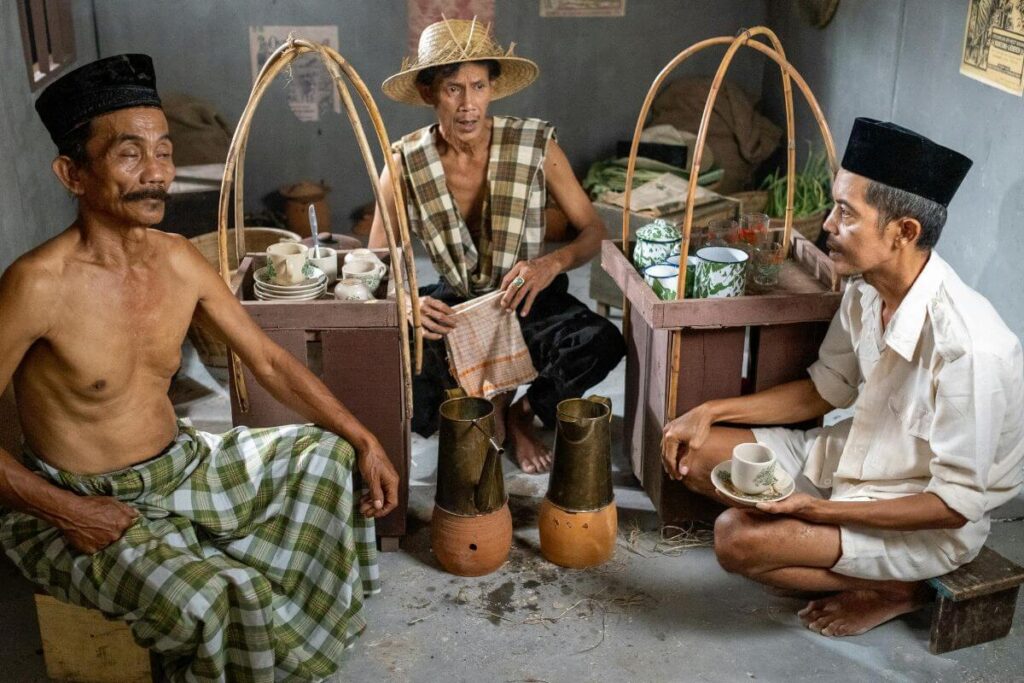
In Indonesia, coffee is often prepared by simply pouring hot water over finely ground coffee and letting it settle. This means the grounds remain at the bottom of the cup and aren’t consumed. It might seem unusual at first, but this method results in a fuller, more robust flavor. It’s a great example of tradition meeting practicality.
What can we learn from these coffee traditions?
These examples clearly show that coffee culture is much more than just a morning routine. In some countries, it strengthens community bonds; in others, it preserves cultural heritage — or even represents innovation and creativity.
Next time you’re tempted to reach for your usual espresso, why not try something new inspired by these global traditions? You might just discover that Vietnamese egg coffee or Mexican cinnamon coffee becomes your new favorite.
Exploring coffee traditions isn’t just a culinary experience — it’s also a journey through cultures around the world.