Can You Drink Coffee During Pregnancy?
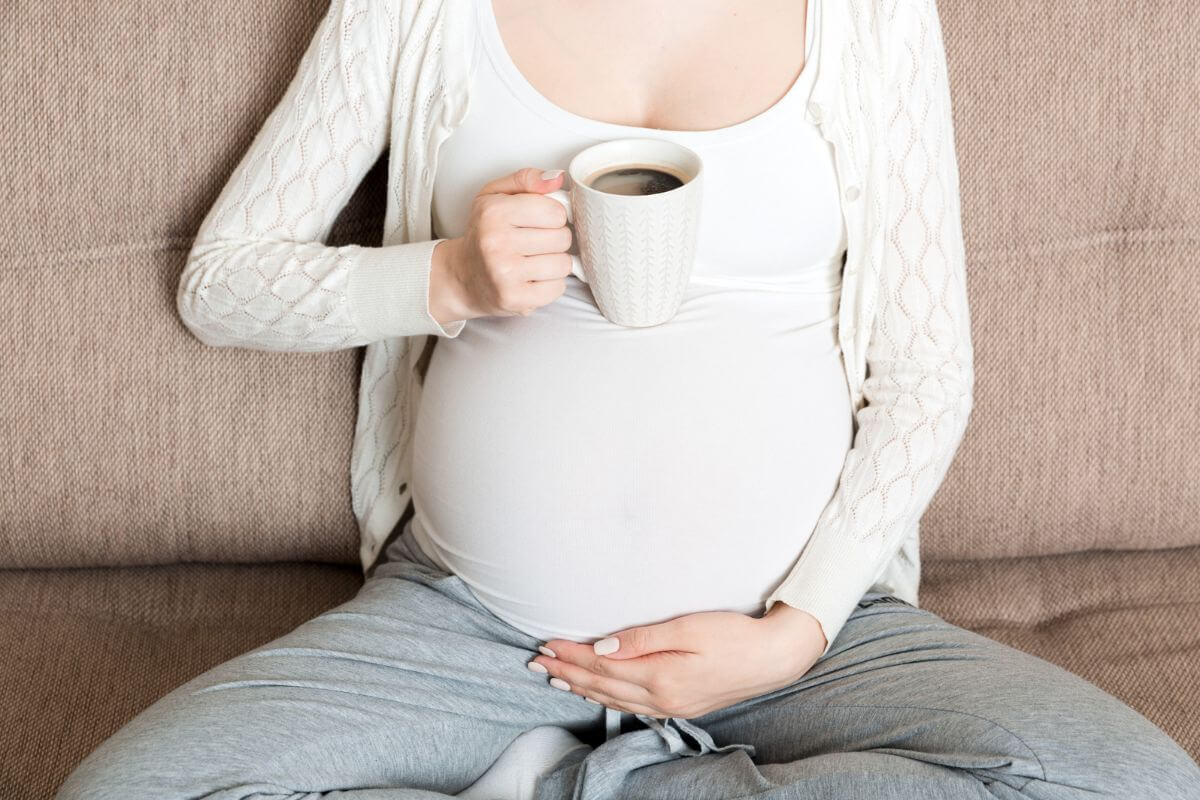
If you have just seen those two pink lines, one of the first questions that probably crosses your mind is whether your morning cup is still on the table. So, can you drink coffee during pregnancy? The short answer is yes, in moderation, but the details matter, and they are far more interesting than the usual advice to “just cut back.” Coffee is woven into the daily rhythm of millions of women, and the thought of giving it up completely can feel overwhelming, especially when pregnancy fatigue is already testing your energy levels.
In this guide you will learn what leading medical organizations recommend, how caffeine actually behaves in a pregnant body, and what the research says about miscarriage and birth weight. You will also discover how much caffeine hides in your favorite drinks, along with practical tips, common mistakes to avoid, and comforting alternatives, so you can make a confident decision together with your healthcare provider.
Quick answer
Yes, most pregnant women can enjoy coffee as long as their total caffeine intake stays below 200 milligrams per day, which is about one 12-ounce cup of home-brewed coffee, according to the American College of Obstetricians and Gynecologists (ACOG). Because caffeine crosses the placenta and your baby cannot process it efficiently, it is important to count caffeine from tea, soda, and chocolate as well.

What Do Health Organizations Say About Caffeine in Pregnancy?
The most widely cited guideline in the United States comes from ACOG, which states that moderate caffeine consumption of less than 200 mg per day does not appear to be a major contributing factor in miscarriage or preterm birth. That number is a cautious ceiling drawn from decades of mostly observational studies, not a magic line. Other authorities land in the same neighborhood. The U.K. National Health Service also advises pregnant women to keep caffeine under 200 mg daily, and the European Food Safety Authority concluded in 2015 that caffeine intakes of up to 200 mg per day are not a safety concern for pregnant women. The World Health Organization has historically suggested a slightly more generous limit of around 300 mg, though 200 mg is the figure most U.S. obstetricians use.
It is worth noticing that none of these organizations tell you to quit entirely. Instead, they treat caffeine as a question of dose and individual circumstances, so it is wise to ask your OB-GYN or midwife what is right for you, particularly if your pregnancy is considered high risk.
Why Caffeine Works Differently When You Are Expecting
It Crosses the Placenta Within Minutes
Caffeine is a stimulant that is absorbed quickly and travels freely through the placenta, which means that whatever caffeine you drink reaches your baby. The challenge is that a developing baby does not yet produce the liver enzyme (called CYP1A2) that adults rely on to break caffeine down. As a result, the fetus clears caffeine very slowly, and the substance can linger in the baby’s system far longer than it does in yours.
Your Own Metabolism Slows Down
In a non-pregnant adult, caffeine has a half-life of roughly five hours, which means it takes that long for half of it to leave the bloodstream. During pregnancy, hormonal changes slow this process dramatically, and by the third trimester the half-life can stretch to 15 hours or more. This explains why your afternoon latte may suddenly keep you awake at night, and it also means caffeine exposure accumulates later in pregnancy. Caffeine also narrows blood vessels, and researchers suspect this could slightly reduce blood flow through the placenta, one proposed explanation for the link with lower birth weight.
What Does the Research Actually Show?
If you have ever felt confused by contradictory headlines about coffee, you are not alone. Studying caffeine in pregnancy is genuinely difficult, because researchers cannot ethically assign women to drink large amounts of coffee, and most evidence therefore comes from observational studies that rely on self-reported habits.
Coffee and Miscarriage Risk
A well-known 2008 study from Kaiser Permanente in California found that women who consumed 200 mg or more of caffeine daily had about twice the risk of miscarriage compared with women who consumed none. Other studies, however, have found smaller associations or none at all. One reason for the mixed results is something scientists call reverse causation: women with healthy, hormonally robust pregnancies often experience more nausea and therefore avoid coffee, which can make coffee drinkers appear to be at higher risk even when coffee is not the cause. This is why most experts describe the evidence as suggestive rather than conclusive.
Coffee and Birth Weight
The CARE study, published in the BMJ in 2008, followed more than 2,500 women in the United Kingdom and found that higher caffeine intake was associated with a modestly increased chance of having a smaller baby, with effects seen even at intakes between 100 and 199 mg per day. In contrast, a Danish randomized trial published in 2007 asked women who normally drank at least three cups of coffee a day to switch, in mid-pregnancy, to either caffeinated or decaffeinated instant coffee, and it found no meaningful difference in birth weight or length of pregnancy between the two groups. Taken together, these studies suggest that any effect is probably small, but they do not completely rule it out.
The Ongoing Scientific Debate
Not every researcher agrees on the best advice. A 2021 review in BMJ Evidence-Based Medicine argued that the consistency of the observational findings justifies advising pregnant women to avoid caffeine altogether, while a Cochrane review of the limited randomized evidence concluded that there is not yet enough high-quality data to confirm or rule out harm from moderate intake. For most expecting moms, staying under 200 mg is a sensible middle path, and going lower is a perfectly reasonable choice if it gives you peace of mind.
How Much Caffeine Is in Your Daily Cup?

One of the most common reasons women accidentally overshoot the limit is that caffeine content varies enormously depending on the bean, the roast, the brewing method, and above all the size of the cup. The numbers below are typical averages.
- Brewed coffee (8 oz): about 95 mg, with a range of roughly 70 to 140 mg
- Cold brew (12 oz): often 150 to 250 mg or more, depending on concentration
- Espresso (1 oz shot): about 63 mg, so a standard latte usually contains one or two shots
- Decaf coffee (8 oz): roughly 2 to 15 mg
- Black tea (8 oz): about 40 to 50 mg
- Green tea or matcha (8 oz): about 25 to 70 mg
- Cola (12 oz): about 30 to 40 mg
- Dark chocolate (1 oz): about 12 to 25 mg
Keep in mind that a grande (16 oz) drip coffee at a major coffee chain can contain more than 300 mg of caffeine, which is already above the recommended daily limit in a single drink. That is why checking the size and type of your drink matters just as much as counting how many you have.
Coffee Through the Trimesters
First Trimester
The early weeks are when many women feel the most conflicted. Morning sickness and sudden food aversions often make coffee unappealing anyway, and since most miscarriage research focuses on early pregnancy, some women choose to keep their intake well under the 200 mg limit during these weeks. If coffee smells nauseating, there is no need to force it.
Second Trimester
For many women this is the “golden” stretch, with appetite and energy returning and nausea fading. One moderate cup in the morning typically fits comfortably within the guidelines, provided you track caffeine from all sources.
Third Trimester
As your body clears caffeine more slowly, sleep and heartburn become the main concerns. Caffeine can relax the muscle that keeps stomach acid in place, which makes reflux worse when your growing belly is already pushing upward. Many women switch to decaf after lunch to protect their sleep before the baby arrives.
Hidden Sources of Caffeine You Might Overlook
Coffee is rarely the only place caffeine appears in your day. Tea, soda, and chocolate are the obvious ones, but matcha, kombucha, yerba mate, and guarana-based energy drinks can add up quickly, and energy drinks often contain other stimulants and herbal ingredients that have not been studied in pregnancy. Some over-the-counter headache medications also contain caffeine, and coffee-flavored desserts and pre-workout supplements can quietly contribute as well. If you plan to swap to herbal tea, remember that not every herb is considered safe during pregnancy, so it is best to ask your provider before making it a daily habit.
Common Mistakes to Avoid
Even well-informed moms slip up on caffeine in a few predictable ways, and knowing them in advance makes it easier to stay on track.
- Counting cups instead of milligrams. A small home-brewed mug and a large café cold brew are not remotely the same amount of caffeine, so think in milligrams.
- Ignoring tea, soda, and chocolate. These small amounts add up, and a morning coffee followed by an afternoon cola and a square of dark chocolate may bring you closer to the limit than you realize.
- Quitting cold turkey. Abruptly stopping a daily habit can trigger withdrawal headaches, fatigue, and irritability, so a gradual taper over a week or two is much gentler.
- Drinking coffee with your prenatal vitamin or an iron-rich meal. Coffee can reduce the absorption of non-heme iron, so it is smart to wait at least an hour or two after taking supplements or eating iron-rich foods.
- Using caffeine to mask exhaustion. Extreme tiredness can sometimes signal anemia, thyroid changes, or poor sleep, and it deserves a conversation with your provider rather than another espresso.
- Trusting “natural” or “pregnancy-friendly” labels on energy products. Many of these drinks contain unstudied ingredients.
Practical Tips for Enjoying Coffee Safely
You do not need to give up the ritual that makes your mornings feel good. With a few simple adjustments, it is easy to keep the comfort of a warm cup while staying well within recommended limits.

- Know your number. Check the caffeine content of your usual drink on the café’s website or on the package, and keep a rough running total for the day.
- Go half-caf. Blending regular and decaf beans cuts your caffeine roughly in half while keeping the taste you love, and you can find many half-caff coffee options online.
- Measure your mug. Many oversized mugs hold 16 ounces or more, so using a coffee mug with measurement markings makes portion control effortless.
- Drink it with food. Having coffee alongside breakfast can ease stomach irritation and reduce the chance of reflux.
- Set an early cutoff. Finishing your caffeine before early afternoon gives your slower pregnancy metabolism time to clear it before bedtime.
- Stay hydrated. Pairing each cup with a glass of water supports the extra blood volume your body is building.
- Choose quality decaf. Look for decaf made with the Swiss Water Process, which removes caffeine without chemical solvents, such as a Swiss Water Process decaf coffee.
Pro tip: If you miss the full coffee experience, try a decaf latte with steamed milk and a pinch of cinnamon. The warmth, aroma, and creamy texture trigger most of the same comfort, and many women find the ritual matters more than the caffeine itself.
Coffee Alternatives Worth Trying
If you decide to reduce your caffeine further, or if coffee simply stops tasting right, there are plenty of satisfying options. Roasted chicory root has a rich, slightly bitter flavor that resembles coffee, and a chicory coffee substitute is naturally caffeine-free. Warm milk with vanilla, a golden milk latte made with turmeric, or a mug of ginger and lemon water can be especially soothing during bouts of nausea. For tea lovers, a selection of caffeine-free herbal teas marketed for pregnancy offers variety, although it is still wise to review the ingredient list with your doctor or midwife, since some herbs are not recommended during pregnancy.

When to Talk to Your Doctor or Midwife
The general guidelines apply to healthy pregnancies, but some situations call for more individualized advice. Talk with your provider about caffeine if you have high blood pressure or a history of preeclampsia, if you have previously experienced a miscarriage or preterm birth, if your baby has been diagnosed with slow growth, or if you are expecting twins or more. Severe reflux, anxiety, palpitations, or insomnia may also call for cutting back further. And if you are trying to conceive, most experts suggest following the same 200 mg guideline, while breastfeeding generally allows moderate intake as well, although small amounts of caffeine do pass into breast milk.
Frequently Asked Questions
How many cups of coffee can I drink per day while pregnant?
Most guidelines recommend keeping total caffeine under 200 mg per day, which equals roughly one 12-ounce cup of home-brewed coffee. Because strength and size vary so much, it is more reliable to count milligrams than cups.
Is decaf coffee safe during pregnancy?
Decaf is generally considered a safe choice, as it contains only about 2 to 15 mg of caffeine per 8-ounce cup. It still counts toward your daily total, but the amount is small enough that several cups fit comfortably within the limit.
Can I drink coffee in the first trimester?
Yes, in moderation, and the same 200 mg daily limit applies. Some women prefer to stay well below it during the first trimester, partly because of nausea and partly because early pregnancy is the period most often studied in miscarriage research.
Is a Starbucks latte or cold brew safe while pregnant?
It depends on size and type. A small latte with a single espresso shot is typically well within the limit, whereas a large drip coffee or cold brew at a chain can exceed 300 mg, so it is worth checking the caffeine information before ordering.
Does coffee cause miscarriage?
Current evidence does not prove that moderate coffee intake causes miscarriage. Some studies show higher risk with larger amounts of caffeine, while others find no clear link once factors like pregnancy nausea are considered, which is why staying under 200 mg remains the standard cautious approach.
What if I drank more caffeine before I knew I was pregnant?
This is extremely common and rarely a cause for alarm. Simply reduce your intake to the recommended level from now on and mention it at your next prenatal appointment so your provider has the full picture.
Does caffeine pass into breast milk?
Yes, small amounts do. Moderate intake is generally considered acceptable while nursing, but newborns process caffeine slowly, so watch for fussiness or poor sleep in your baby and check with your pediatrician if you are unsure.
Final Thoughts
Pregnancy comes with enough rules and worries, and your morning coffee does not have to become one of them. The most important takeaway is that moderate caffeine, under about 200 mg per day, is considered acceptable for most healthy pregnancies, and that the safest strategy is to know what is in your cup, watch for hidden sources, and listen to your body as it changes from trimester to trimester. Whether you cut back, switch to decaf, or keep one mindful cup, you can do it without guilt. Above all, personalized advice from your own doctor or midwife is the best guide, so bring your questions to your next visit and savor the small moments of comfort along the way.
This article is for general informational purposes only and is not a substitute for professional medical advice, diagnosis, or treatment. Always consult your doctor, midwife, or other qualified healthcare provider about caffeine and any other concerns during pregnancy.





One Comment