21 Fascinating Facts About Coffee You Probably Didn’t Know
How much do you really know about your daily cup of coffee?
Below I’ve gathered 21 interesting facts about coffee — some you might already know, and others that may surprise you. They cover everything from health benefits and quirky traditions to practical tips and fun trivia.
So grab a mug, get comfortable, and see how many of these coffee secrets you already knew!
Coffee & Your Health
1. Caffeine spreads through your whole body in just 5 minutes.
Crazy, right?
Within about 5–10 minutes after your first sip, caffeine is already measurable in your bloodstream. It reaches its peak level after about 30–45 minutes — that’s when you feel the full effect: focus, alertness, and that “the coffee just kicked in” moment.
Fun fact: the half-life of caffeine (how long it takes your body to eliminate half of it) is 3–6 hours, depending on the person. That’s why experts recommend avoiding coffee late in the afternoon.
2. Lemon coffee can actually relieve headaches.
It might sound odd, but the combination of caffeine and vitamin C is surprisingly effective.
Caffeine helps widen blood vessels in the brain, while vitamin C supports circulation — together they can ease tension headaches or caffeine withdrawal migraines.
It won’t cure every type of headache, but if you wake up with a dull ache, try adding a squeeze of lemon to your espresso or long black. You might be surprised!
3. Ganoderma coffee doesn’t cause heartburn.
Ganoderma lucidum (also called reishi mushroom) has been used for thousands of years in Eastern medicine. It’s known to calm the stomach, reduce acidity, and support the immune system.
That’s why ganoderma coffee is often gentler than traditional black coffee. Many people who had to give up coffee because of acid reflux can enjoy their morning cup again — without discomfort.
4. Decaf coffee still contains caffeine.
Despite its name, decaf isn’t completely caffeine-free.
A typical cup of decaf has about 2–5 mg of caffeine, compared to 60–80 mg in a regular espresso. So if you drink several cups a day, the caffeine still adds up!
Pregnant women, kids, or those sensitive to caffeine should still enjoy it in moderation. And be careful with cheap decaf — the processing method matters for your health.
5. Just smelling coffee can boost your alertness.
You don’t even have to drink it!
Studies show that the aroma of freshly brewed coffee can activate brain areas linked to alertness and mood. Compounds like pyrazines and aldehydes trigger dopamine release — that’s why we feel awake the moment the coffee machine starts brewing.
6. You can brew tea from coffee leaves.
Coffee leaf tea is making a quiet comeback. In Africa and South America, people have been drinking it for centuries.
It has antioxidants, mild caffeine, and a slightly sweet, earthy flavor. Some say it helps stabilize blood sugar and reduce inflammation — and it gives coffee farmers a new way to use more of their crop.
Practical Coffee Tips
7. Drink water after your coffee to prevent teeth staining.
It really works! A quick glass of water rinses away acids and pigments that stick to your enamel.
Pro tip: don’t brush your teeth immediately after coffee — wait 20–30 minutes to protect your enamel.
8. Tamping your coffee grounds makes a big difference.
A coffee tamper isn’t just for baristas. Pressing the coffee evenly in the portafilter ensures proper water flow and a smooth, balanced espresso.
If you use a home espresso machine, investing in a good tamper is one of the easiest upgrades you can make.
9. Used coffee grounds absorb bad odors.
Put a small bowl of used (or dried) coffee grounds in your fridge and say goodbye to unpleasant smells. They work like natural air purifiers!
You can also use them in shoes, cars, or even under your trash bag — eco-friendly and effective.
10. Coffee grounds can repel fleas.
Old-school trick: after bathing your dog, rub a handful of damp coffee grounds into the fur. Fleas and ticks hate the smell and mild acidity.
⚠️ Don’t use this on cats — caffeine can be toxic for them. And even for dogs, use it sparingly.
Coffee & a Little Magic
11. You can get an online coffee grounds reading now.
Yes, really! There are websites and apps where you can virtually “drink” your cup and have the leftover grounds interpreted for fun.
Of course, it’s more about entertainment than real fortune-telling — but it adds a fun touch of coffee mysticism to your day.
12. Coffee fortune-telling was huge in the 16th–17th centuries.
Known as tasseography, this tradition came from the Middle East. After finishing a Turkish coffee, people read the patterns left by the grounds.
A circle meant luck, a snake warned of betrayal, and a bird symbolized news. The practice spread through Europe’s coffee salons and became a favorite pastime among noblewomen.
13. Your favorite coffee says a lot about your personality.
A fun bit of coffee psychology:
Espresso lovers tend to be strong-willed and focused. Latte drinkers are friendly and empathetic.
If you like sweet or whipped-cream coffees, you’re probably creative and full of energy. Cold brew fans? Modern, adventurous, and open-minded.
So… what does your coffee say about you?
Coffee Around the World
14. The caffeine removed from decaf coffee isn’t wasted — it’s sold to soda companies.
Yup, the caffeine extracted from coffee beans is often resold to make products like Coca-Cola or Pepsi.
So your decaf coffee might be fueling someone else’s cola buzz!
15. The world’s most expensive coffee comes from elephant dung.
It’s called Black Ivory Coffee, produced in Thailand. Elephants eat coffee cherries, their digestive enzymes alter the beans, and what comes out is smoother, low-acid coffee. Only a few hundred pounds are made each year — and it sells for hundreds of dollars per pound.
16. Another rare and pricey coffee is made from civet cat droppings — Kopi Luwak.
The civets eat ripe coffee cherries, and the beans pass through their system. The result is a soft, caramel-like flavor.
Ethical farms now collect beans only from wild civets, not caged ones.
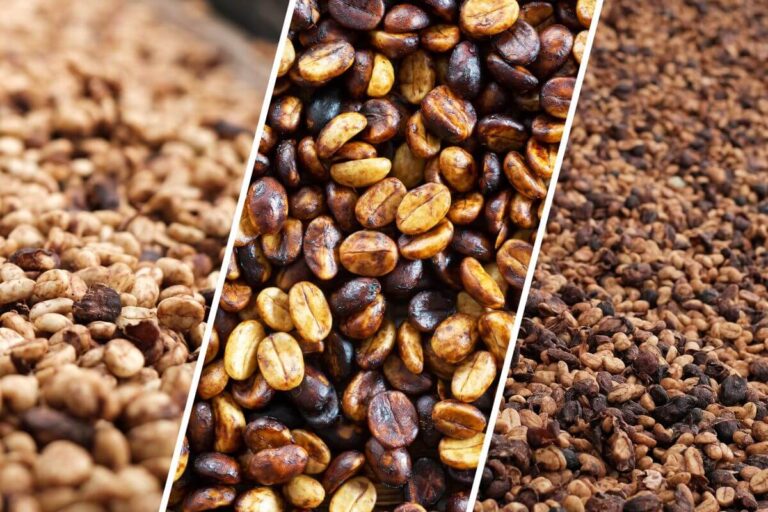
17. There are two main ways to process coffee: dry and wet.
In the dry process, the whole fruit is sun-dried before removing the seeds, producing sweeter, fruitier flavors.
In the wet process, the pulp is removed and the beans are fermented — cleaner and more acidic in taste.
There’s also the honey process, a hybrid that leaves some fruit on the bean for a silky, honey-like flavor.
18. “Cupping” is the official word for coffee tasting.
Professionals test aroma, flavor, body, acidity, and aftertaste using identical cups and brewing conditions.
Once you’ve attended a cupping session, you’ll never look at your morning coffee the same way again.
19. Milk pitchers used by baristas have markings for perfect frothing.
Temperature and volume matter!
Milk steamed below 100°F won’t foam properly, and above 150°F it loses sweetness. Baristas aim for 105–150°F (40–65°C) — those tiny lines or built-in thermometers help them nail it every time.
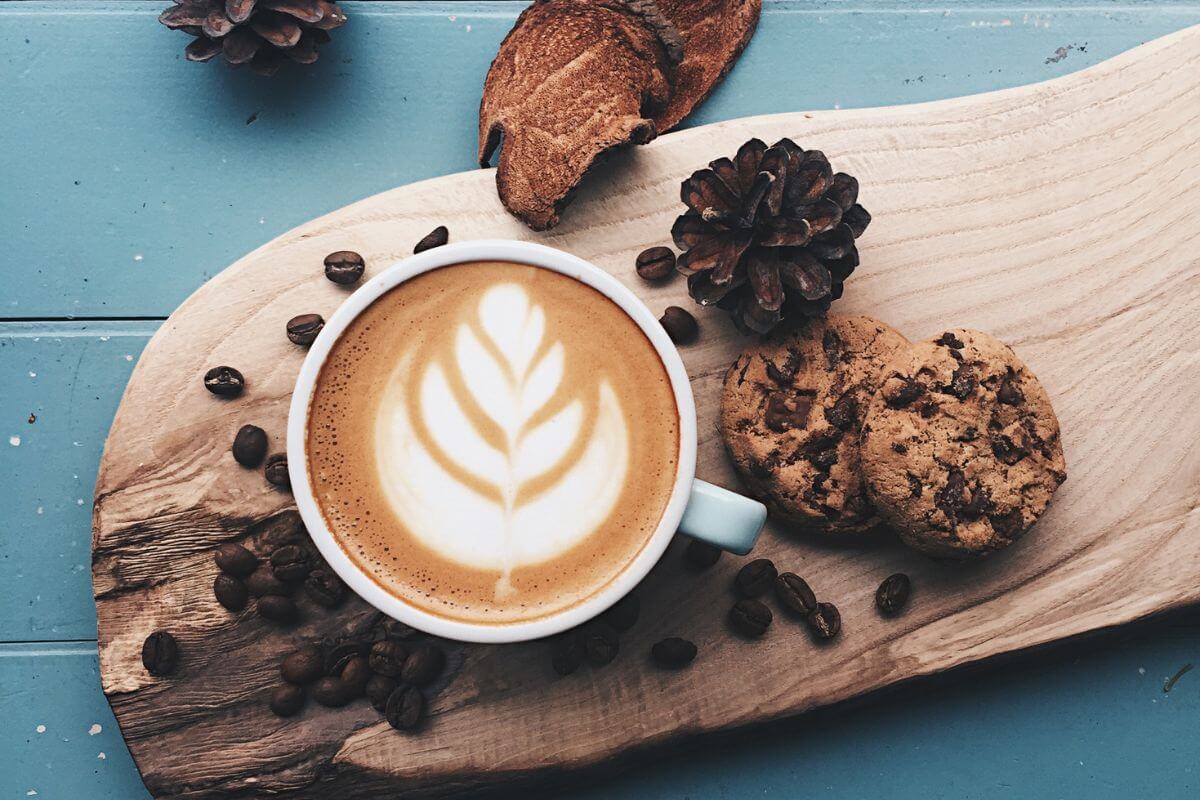
20. Latte art is a real competition category.
Baristas around the world compete to create intricate designs in milk foam — hearts, tulips, rosettas, even animal shapes. It’s not just about taste anymore, but also visual beauty.
21. Vietnam is the largest producer of robusta coffee in the world.
Robusta plants are tougher, cheaper to grow, and have more caffeine than arabica. Vietnam’s Dak Lak, Lam Dong, and Gia Lai regions are covered with robusta plantations — fueling everything from instant coffee to espresso blends.
Final Sip
Now that you’ve read these 21 interesting facts about coffee, you’ll probably never look at your morning brew the same way again.
Which one surprised you the most?