
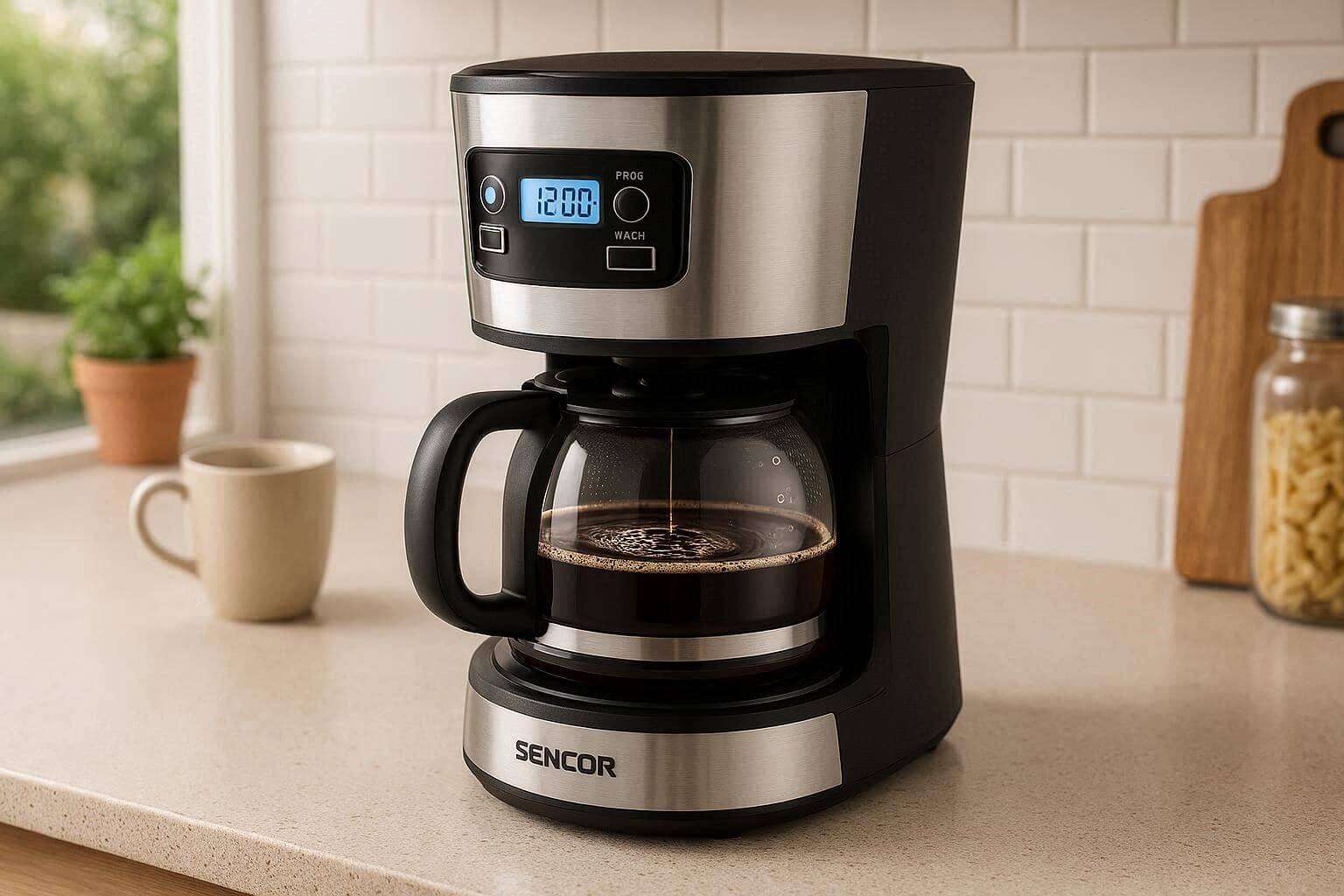
Types of Coffee Makers: The Most Common Coffee Machine Styles
If you’ve ever stood at a coffee shop counter and wondered what the difference is between all those machines, this guide is for you. The wide variety of coffee makers can seem confusing at first. But once you understand how each one works, it becomes much easier to find the perfect machine for your needs — whether it’s for home use, the office, or a professional café setting.
In this article, I’ll walk you through most types of coffee makers (without claiming to cover absolutely everything). They’re grouped by category, starting with the simplest brewing tools and moving all the way up to professional espresso machines.
1. Traditional Non-Electric Coffee Makers
These coffee makers don’t require electricity (at least the device itself doesn’t run on power), which is exactly why many people prefer them. They’re simple, reliable, and often produce better-quality coffee than cheaper electric machines.
Moka Pot (Stovetop Espresso Maker)
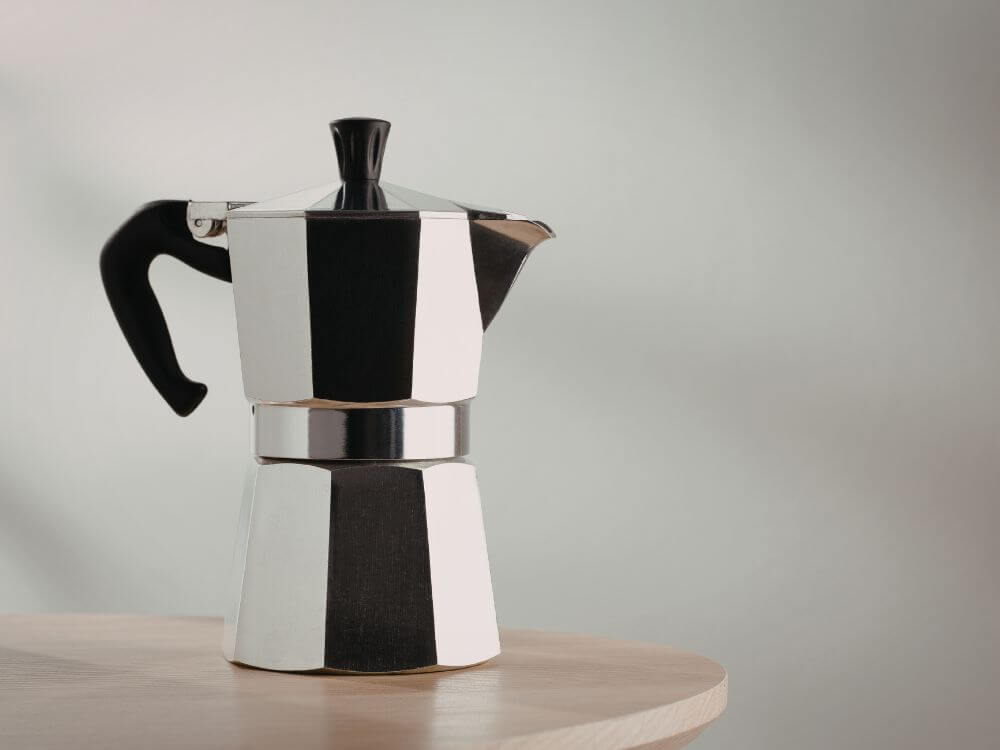
The moka pot, also known as a stovetop espresso maker, is an iconic staple of Italian kitchens. You fill the bottom chamber with water and add ground coffee to the filter basket. As the water heats up, steam pressure pushes it through the coffee grounds and into the upper chamber, where the brewed coffee collects.
Coffee made with a moka pot is rich, bold, and similar to espresso. However, it’s not technically the same, since it doesn’t reach the typical 9 bars of pressure used in espresso machines. Still, it remains one of the most popular coffee makers across Hungary and throughout Europe.
Best for: People who enjoy strong, full-bodied coffee and don’t want to invest in an expensive machine.
French Press
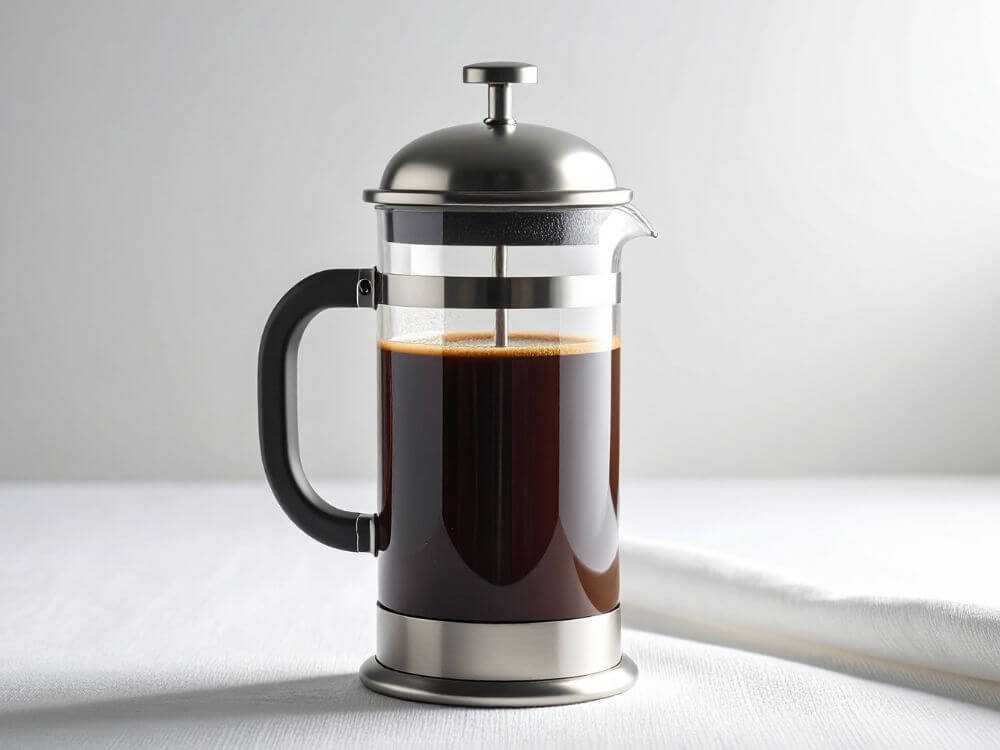
The French press, also known as a cafetière, is a cylindrical glass container with a plunger-style filter. You pour hot water over coarsely ground coffee, let it steep for a few minutes, then press the plunger down to separate the grounds from the brewed coffee.
This type of coffee maker preserves the coffee’s natural oils and aromas, resulting in a fuller, richer flavor compared to drip coffee made with paper filters. It’s extremely easy to use and very durable.
Best for: Those who enjoy bold, full-bodied coffee and don’t mind a bit of sediment in their cup.
Chemex
The Chemex is a uniquely designed, hourglass-shaped glass brewer that uses thick paper filters. You place the ground coffee into the filter and pour hot water over it, allowing the coffee to drip through into the carafe.
Chemex coffee is exceptionally clean, light, and smooth in flavor because the thick filter removes most oils and sediment. Many people say it produces one of the cleanest cups of coffee you can make.
Best for: Those who see coffee as a ritual and appreciate a clean, delicate flavor profile.
V60 and Other Pour-Over Brewers
The V60 is a cone-shaped dripper with spiral ridges, designed to sit on top of a cup, mug, or carafe. Ground coffee is placed in a paper filter, then hot water is poured over it slowly in circular motions to brew the coffee.
This method belongs to the pour-over category. Similar devices include the Kalita Wave, the Origami dripper, and the AeroPress — although some people consider the AeroPress a separate category since it also uses pressure.
Best for: Coffee enthusiasts who enjoy experimenting and fine-tuning flavors.
AeroPress
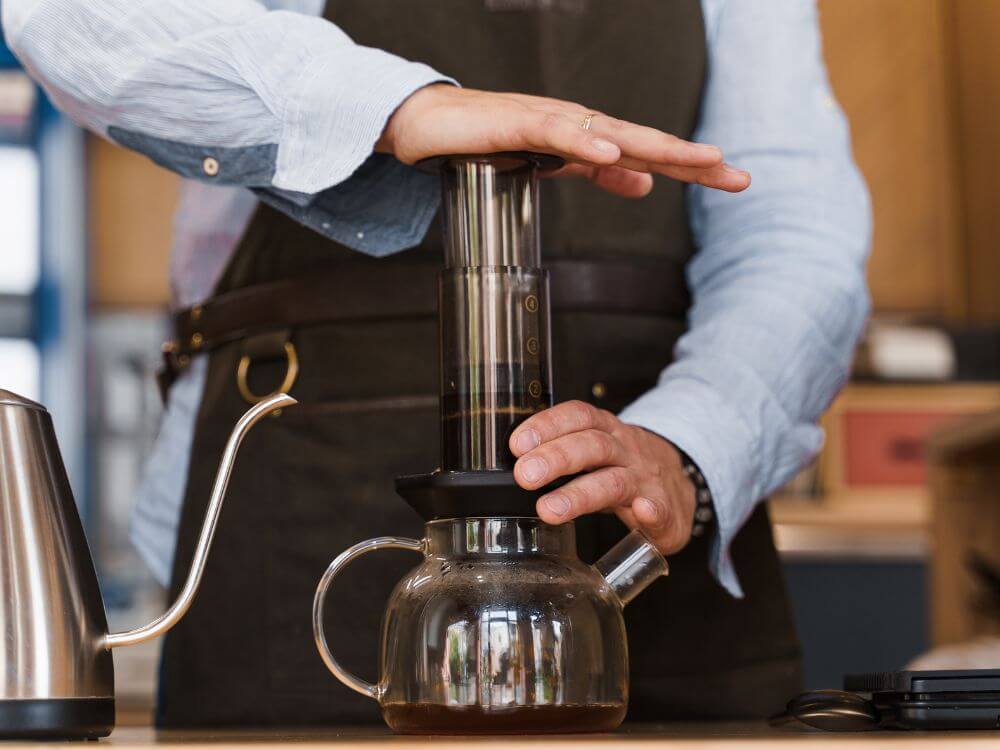
The AeroPress is a relatively modern invention (introduced in 2004) that combines immersion and pressure brewing. It’s fast, easy to clean, and incredibly versatile — you can make anything from a strong, espresso-like shot to a longer, filter-style coffee.
It’s especially popular among travelers and coffee lovers.
Best for: Those who like to experiment, travel often, and want a compact yet high-quality brewing solution.
Ibrik / Cezve (Turkish Coffee Pot)
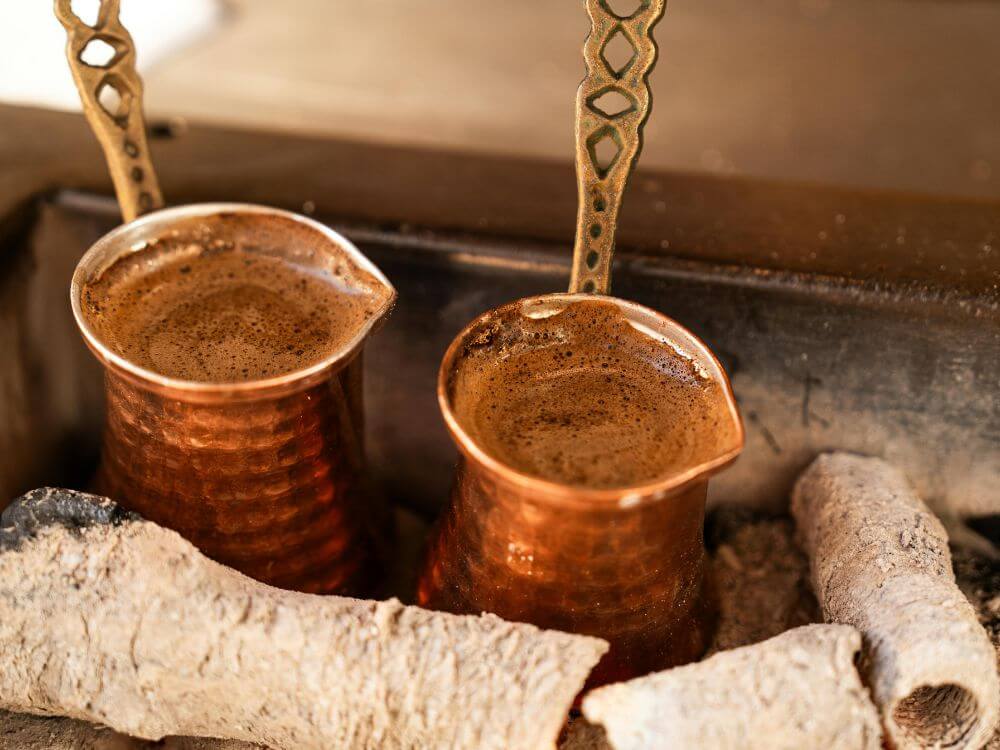
The ibrik, also known as a cezve, is a small metal pot with a long handle. Finely ground coffee is heated together with water (and often sugar), typically over an open flame or hot sand. The coffee isn’t filtered at all — the entire liquid is poured into the cup, including the grounds that settle at the bottom.
Turkish coffee is strong, thick, and full of flavor. It’s one of the oldest coffee brewing methods in the world.
Best for: Those who enjoy bold, traditional flavors and don’t mind coffee grounds in their cup.
2. Electric Drip Coffee Makers
Drip coffee makers are the most common type found in homes and offices. They’re easy to use, affordable, and can brew your morning coffee at the push of a button.
Traditional Drip Coffee Maker
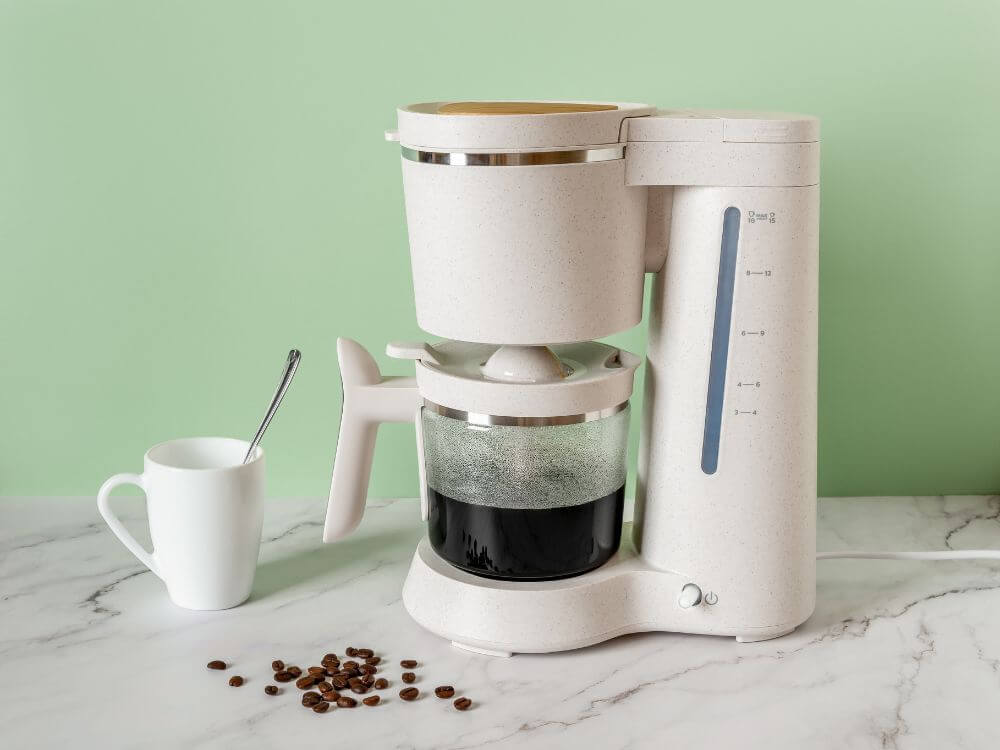
This classic machine heats water, which then drips through ground coffee using a paper or metal filter. The brewed coffee collects in a carafe, which is kept warm on a heating plate.
It’s the most widely used type of drip coffee maker across much of the world. It can brew multiple cups at once and is simple, reliable, and budget-friendly.
Best for: Anyone who wants to make larger batches of coffee quickly and easily.
Thermal Drip Coffee Maker
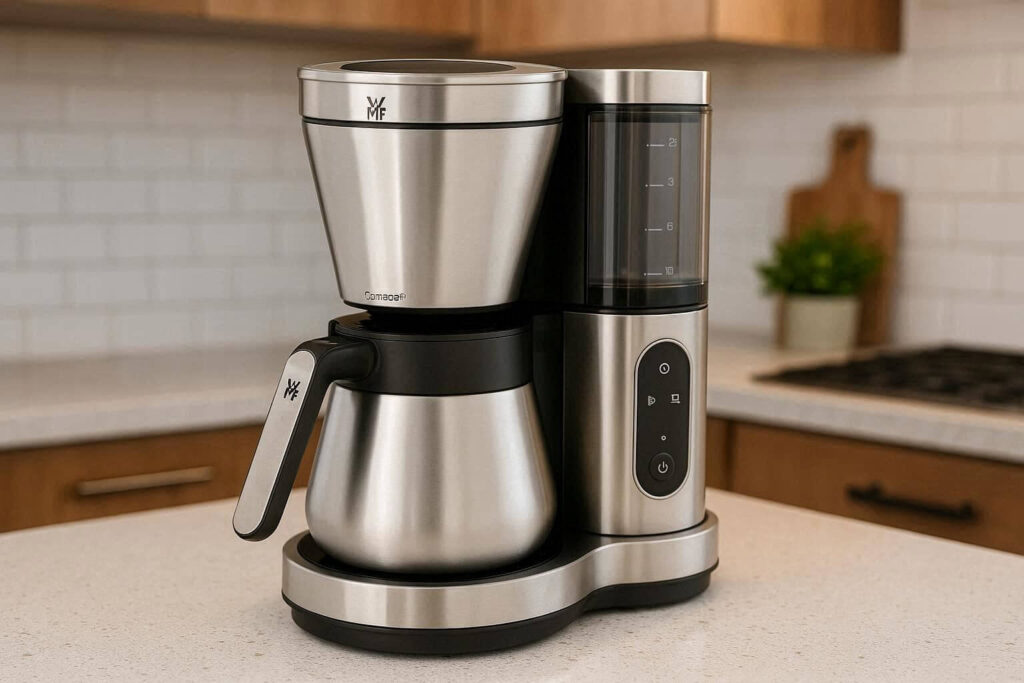
Works on the same principle as a traditional drip machine, but instead of dripping into a glass carafe, the coffee is brewed into a double-walled thermal carafe. This means the coffee doesn’t “cook” on a hot plate and stays fresh-tasting for longer.
Best for: Those who don’t drink the entire pot at once and want their coffee to stay flavorful for hours.
Programmable Drip Coffee Maker
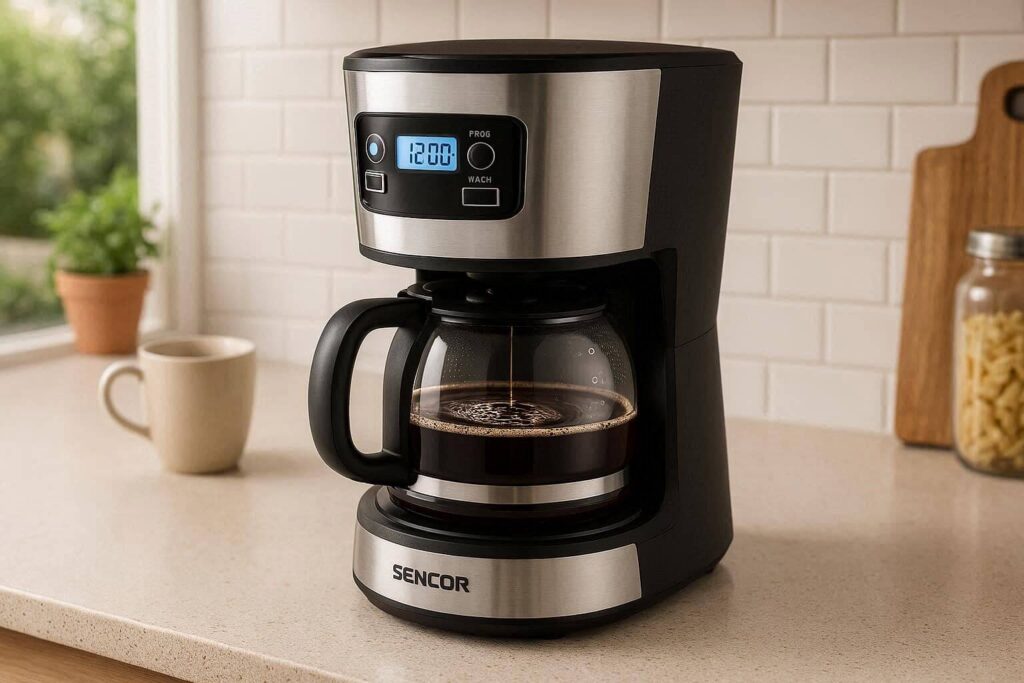
These machines can be set on a timer — just prepare everything the night before, and your coffee will be ready in the morning. Many models also include a keep-warm function and different brewing options.
Best for: Anyone who wants to automate their morning routine.
3. Espresso Machines
Espresso is the foundation of almost every café-style drink. Cappuccinos, lattes, and flat whites all start with a shot of espresso. Espresso machines force hot water through finely ground coffee at high pressure (typically around 9 bars).
Semi-Automatic Espresso Machine
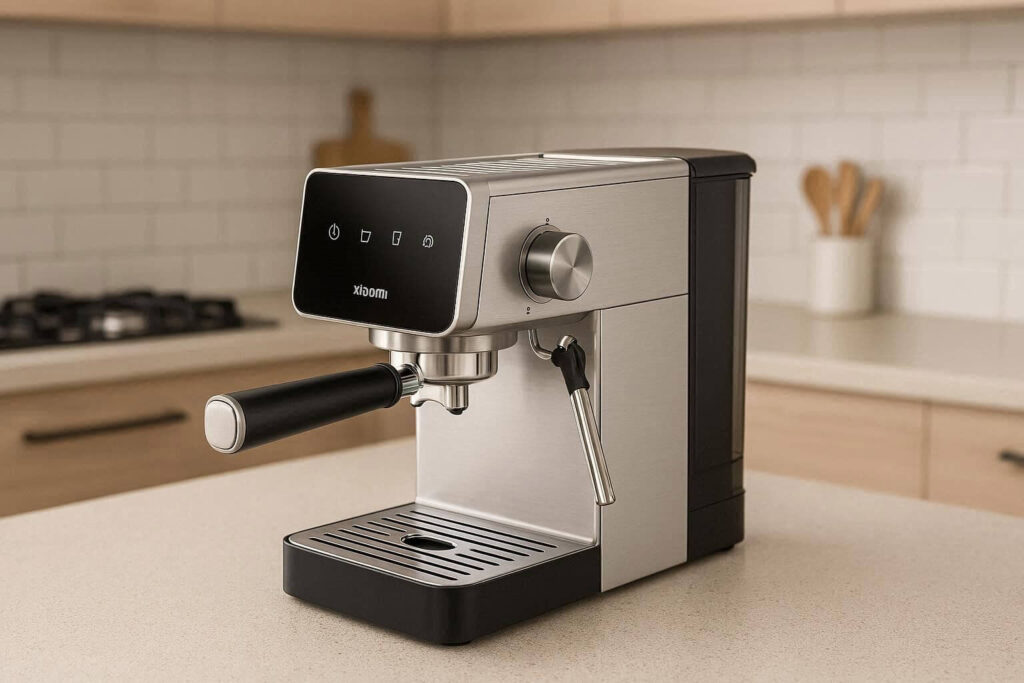
This is the most common type of espresso machine for both home users and cafés. You measure and tamp the coffee into the portafilter yourself, while the machine handles the water flow automatically.
You’ll need a good grinder, proper technique, and some practice — but once you get the hang of it, you can make excellent-quality espresso.
Best for: Passionate home baristas and professionals.
Fully Automatic (Super-Automatic) Espresso Machine
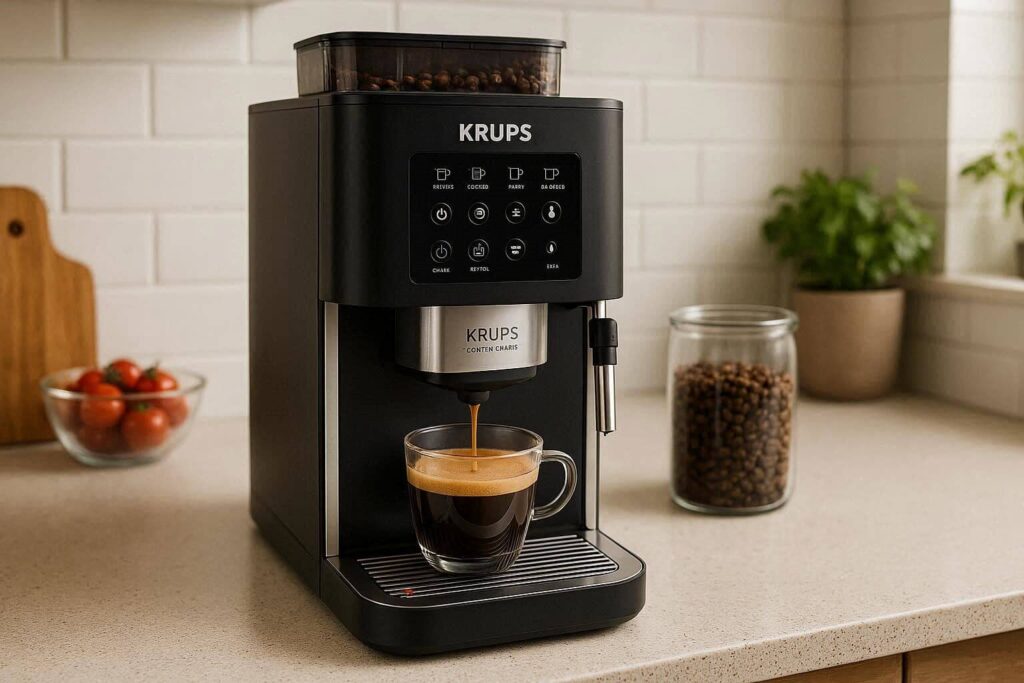
These machines do everything for you: grind the beans, dose, tamp, and brew the espresso — all at the push of a button. Many models also come with built-in milk frothers. They’re often referred to as bean to cup machines.
Best for: Those who want great coffee without dealing with manual techniques.
Capsule Espresso Machine
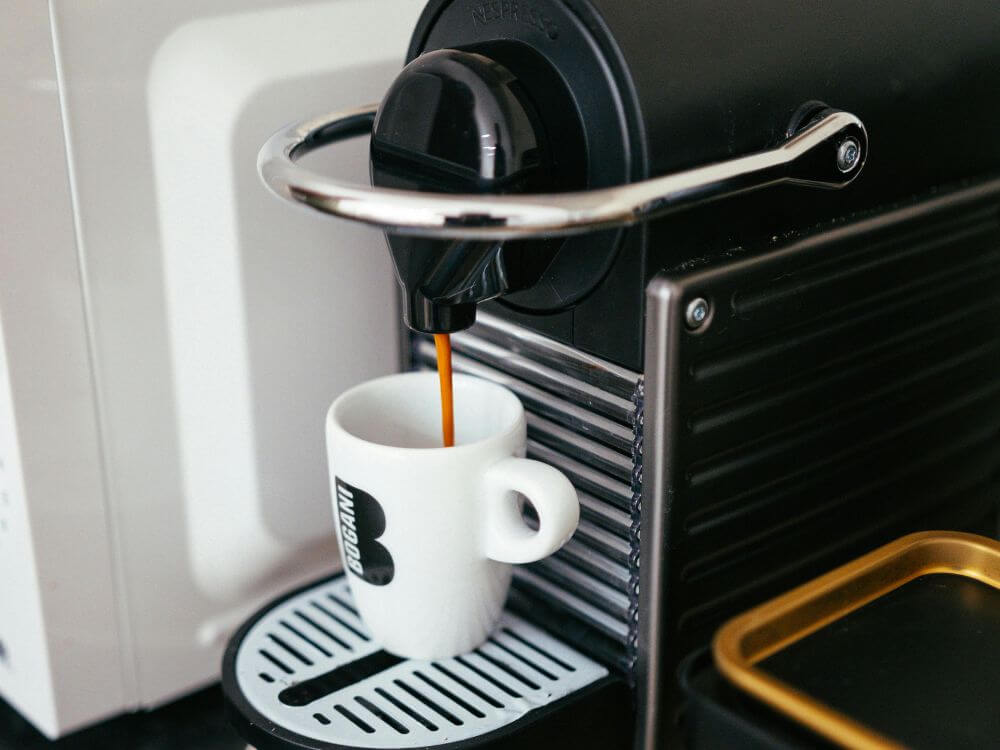
Capsule machines (like Nespresso or Dolce Gusto) use pre-measured, sealed pods to brew coffee. They’re extremely easy to use and deliver fairly consistent results.
Their downsides include higher ongoing costs (capsules can be expensive) and environmental impact, although more compostable and reusable options are becoming available.
Best for: People who want maximum convenience with minimal effort.
Pod (ESE Pod) Coffee Machine
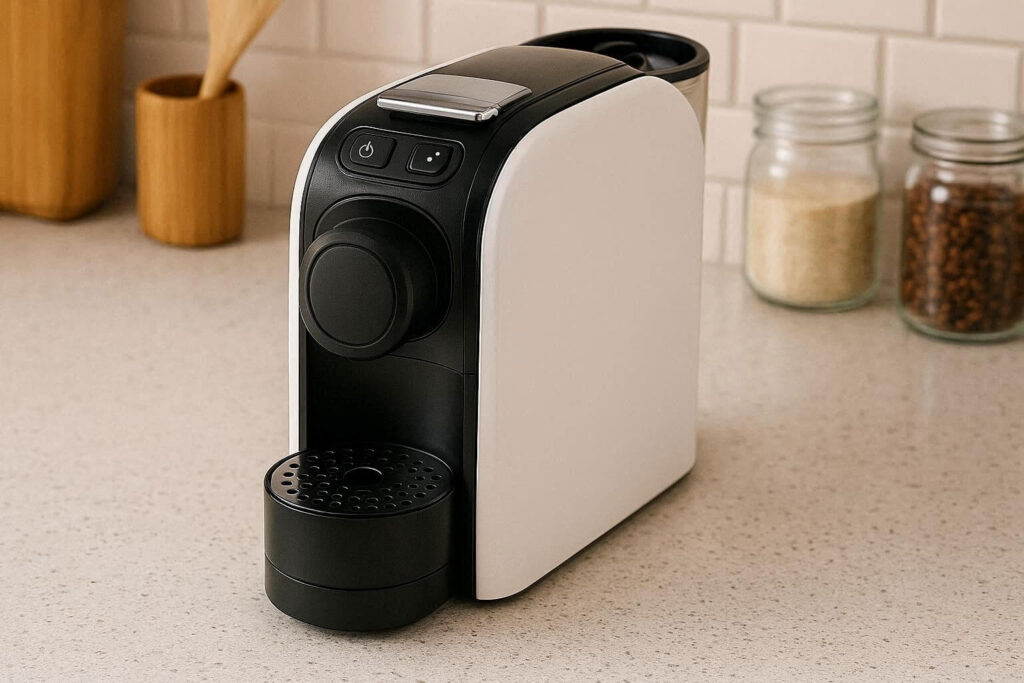
Pod machines use flat, round coffee pods that resemble tea bags. These are disposable, and the coffee quality is generally better than capsule machines, though they require slightly more attention to use.
Best for: Those who want capsule-like convenience but care more about sustainability.
Lever Espresso Machine
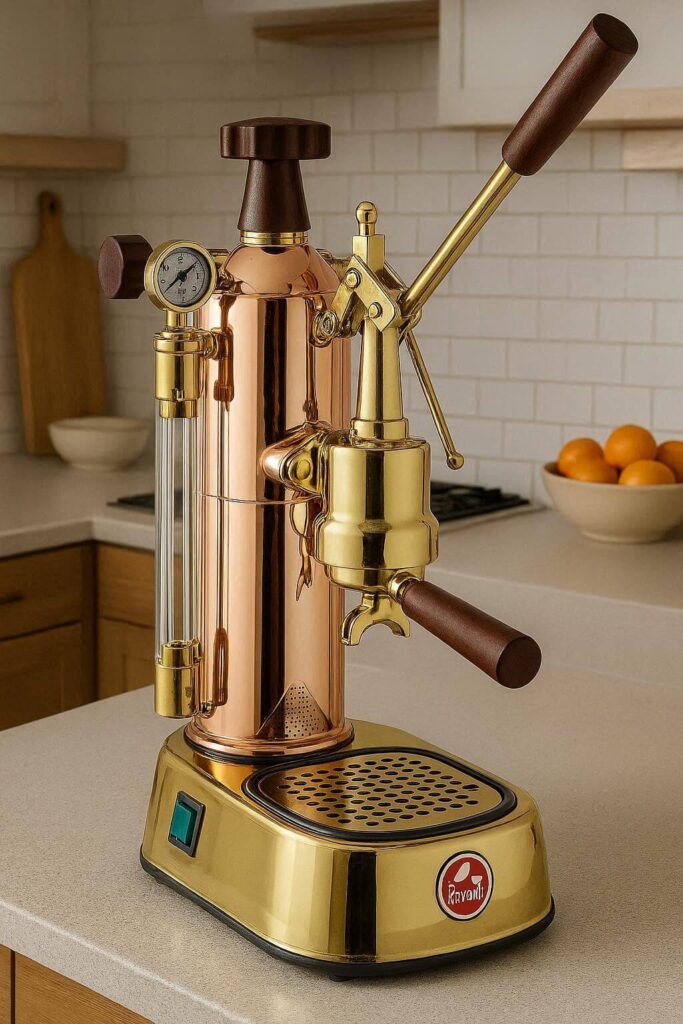
Lever machines represent one of the oldest types of espresso makers. The user manually pulls a lever to force water through the coffee grounds, which is why they’re also called manual espresso machines. This allows full control over the pressure curve, offering unmatched control over the final result.
Best for: True espresso enthusiasts who want complete control over the brewing process.
4. Specialty and Less Common Coffee Makers
Cold Brew Coffee Maker
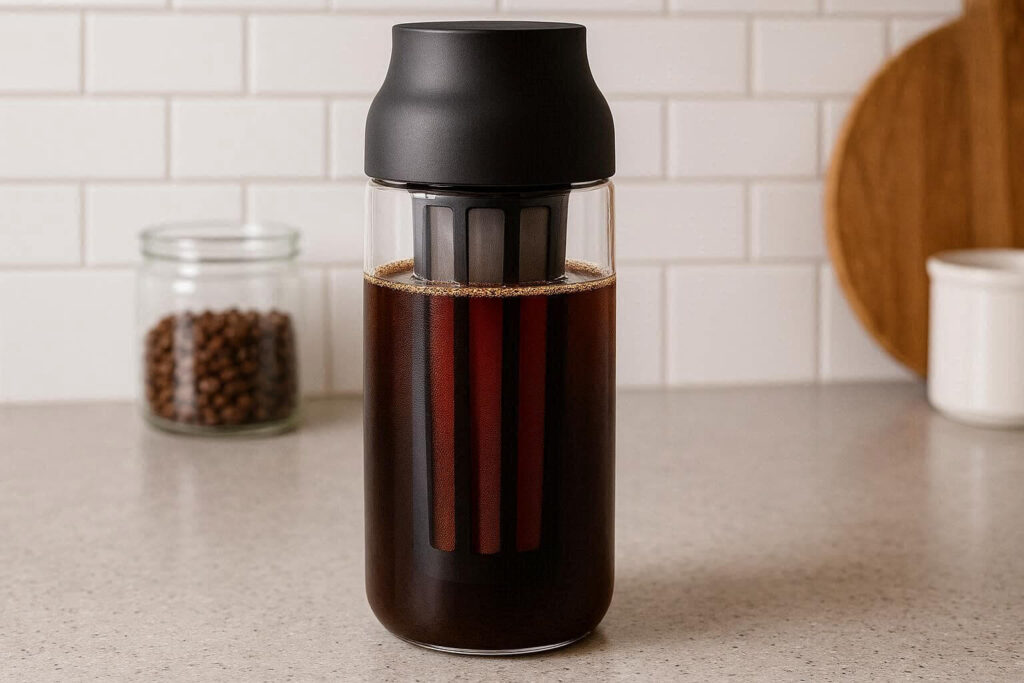
Cold brew coffee is made by steeping coffee grounds in cold water for 12–24 hours. No heat is involved at all. The result is a very smooth, low-acid, concentrated coffee that’s usually diluted with water or milk before drinking.
Most cold brew makers are simply glass containers with a built-in filter, though dedicated brewing systems are also available.
Best for: Those who enjoy iced coffee in the summer or have a sensitive stomach when it comes to acidity.
Nitro Cold Brew System
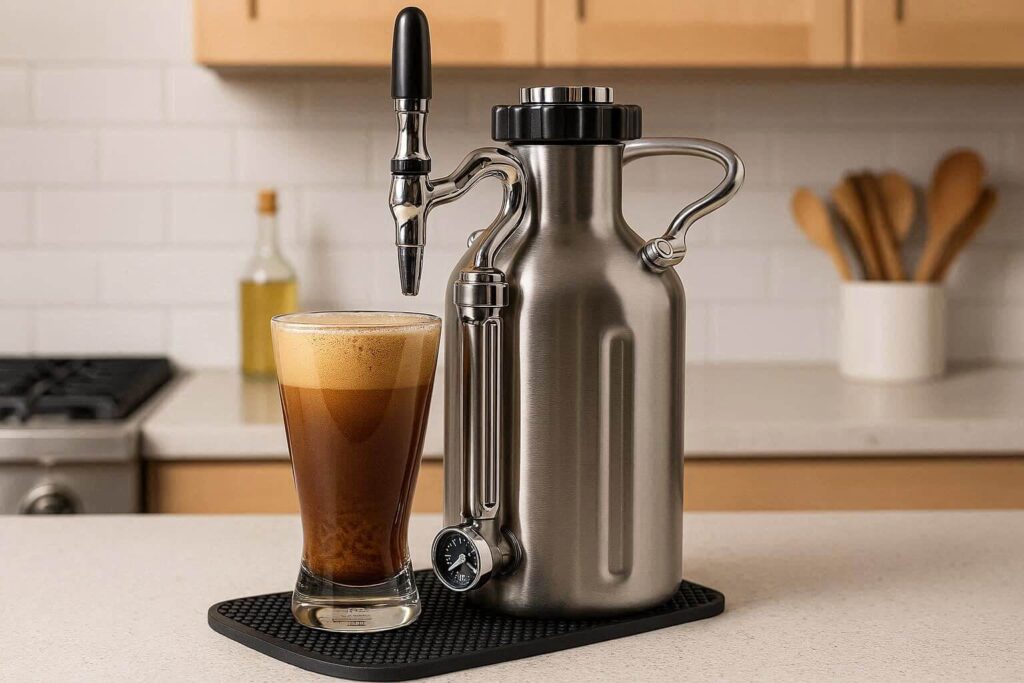
Nitro cold brew infuses cold brew coffee with nitrogen gas, giving it a creamy, smooth, almost beer-like texture. These systems are more common in cafés, but home versions are also available.
Vacuum (Siphon) Coffee Maker
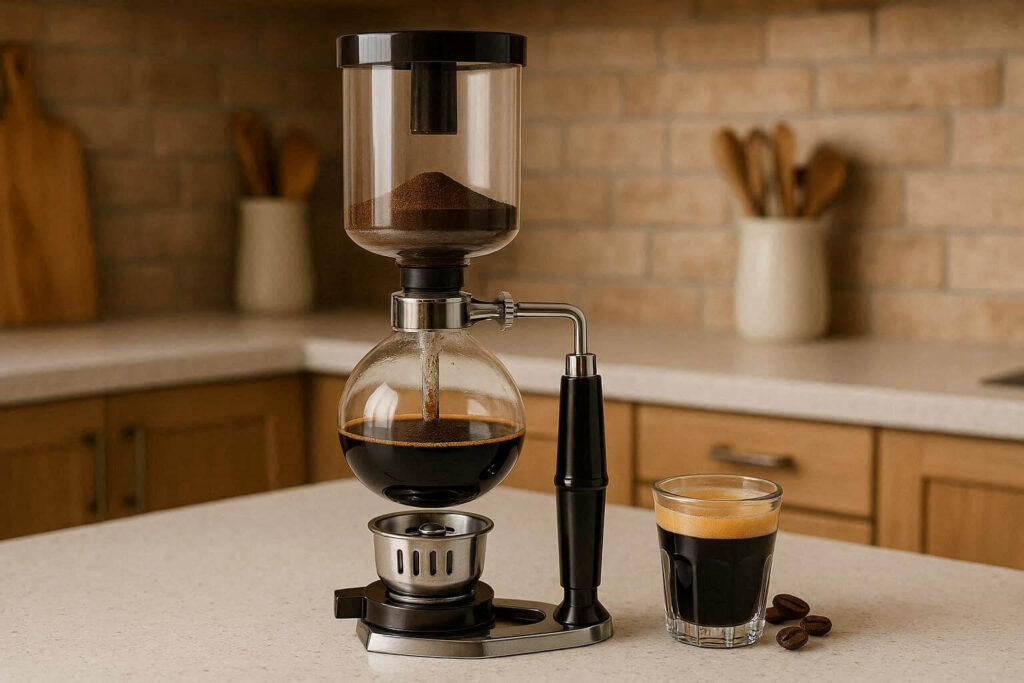
A siphon coffee maker is a visually striking, lab-style device that uses vacuum pressure to brew coffee. Water is heated in the lower chamber, while ground coffee sits in the upper chamber above a filter. As the water heats up, it rises and mixes with the coffee grounds. When the heat is removed and the mixture cools, a vacuum effect pulls the brewed coffee back down into the lower chamber, leaving the grounds behind.
It’s incredibly impressive to watch but can be tricky to use. For coffee-loving “mad scientists,” it’s a true treat.
Best for: Those who see coffee-making as a show and enjoy visually engaging brewing methods.
Percolator
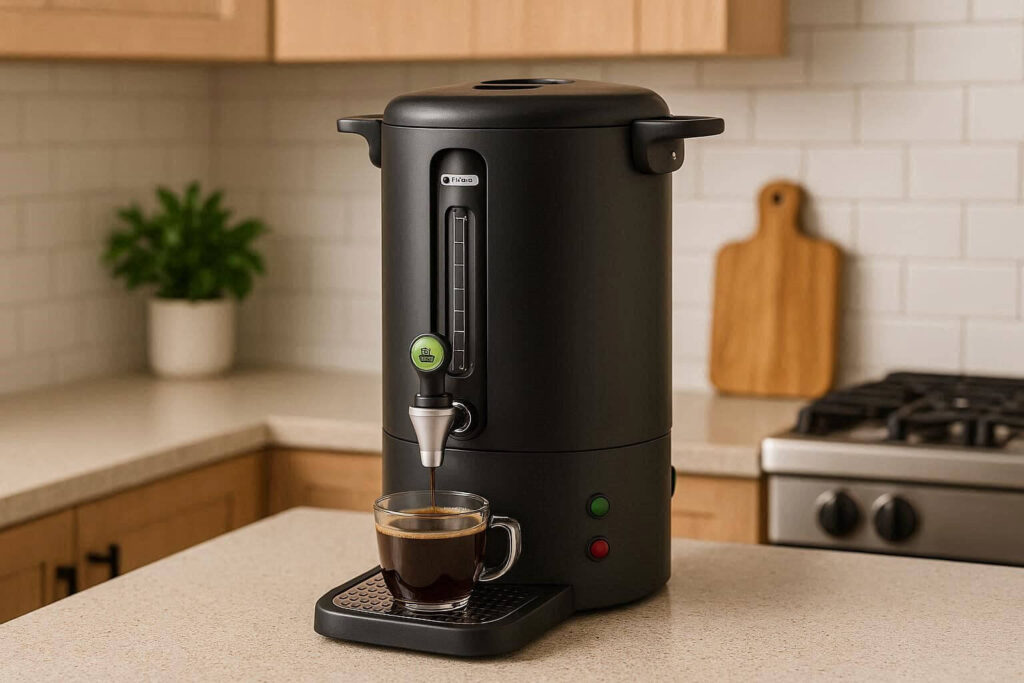
The percolator is an older type of coffee maker where hot water continuously cycles through the coffee grounds. It’s capable of brewing multiple servings at once. Today, it’s less common, as the constant boiling can lead to over-extraction and a bitter taste. However, it’s still used in camping and vintage settings.
Summary: Which Type of Coffee Maker Is Right for You?
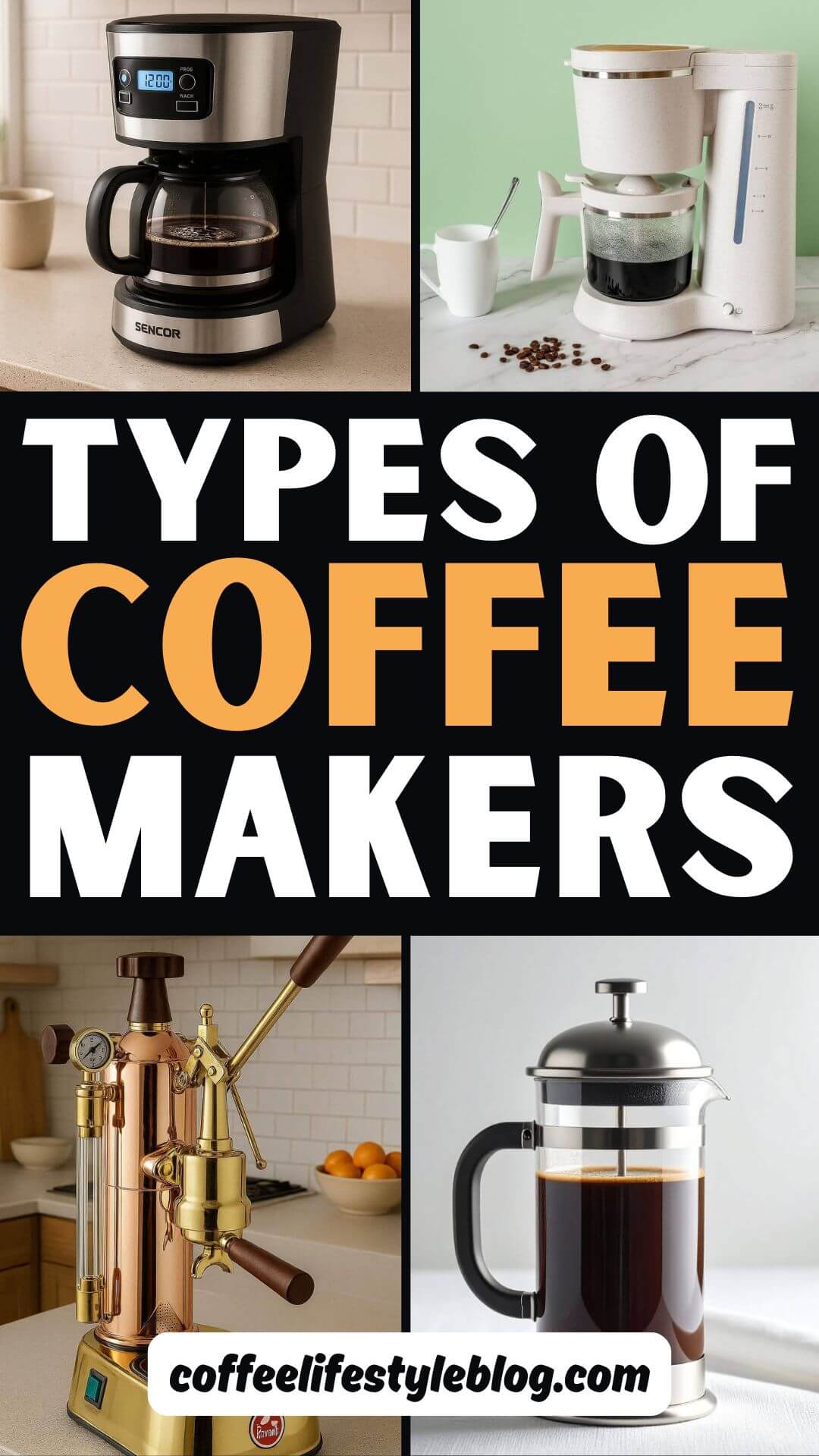
As you can see, there’s a wide variety of coffee makers out there—and each one has its own place and audience. Some machines could even fit into multiple categories, but I’ve grouped them based on where they’re most relevant.
If you’re planning to buy a coffee maker, it’s worth thinking about what you actually want from it:
- Simplicity & affordability → drip coffee maker or moka pot
- Strong, Italian-style coffee → moka pot or semi-automatic espresso machine
- Maximum convenience → super-automatic or capsule machine
- Coffee enthusiast & experimentation → AeroPress, V60, Chemex, or siphon
- Cold coffee & low acidity → cold brew maker
- Traditional, strong coffee → ibrik/cezve
The key is not to choose the most expensive option, but the one that fits your lifestyle, taste preferences, and daily routine. A well-used moka pot can make better coffee than a neglected super-automatic machine.



2 Comments